Key Takeaways
- CoverageBook is a PR reporting tool that packages curated press placements into branded, client-ready reports, pulling in screenshots, audience data from SimilarWeb, and authority scores from Moz across articles, podcasts, and social posts.
- Meltwater is a broader enterprise media intelligence platform that handles monitoring, social listening, journalist outreach, press release distribution, and AI-powered analytics through Mira Studio, with newer features such as GenAI Lens for tracking brand mentions in ChatGPT and Gemini.
- Pricing is the clearest dividing line. CoverageBook offers transparent month-to-month plans from $99 to $599, while Meltwater uses custom quotes with 12-month contracts ranging from $6,900 to $100,000 per year, with the median buyer paying around $25,000 annually.
- Alternatives like Cision and Muck Rack fill specific gaps, with Cision suited to enterprise PR campaigns and Muck Rack focused on journalist discovery and pitch tracking, though both also rely on custom pricing aimed at established budgets.
- AmpiFire, using its AmpCast AI, takes a different approach, creating and distributing multi-format content across 300+ high-authority platforms such as Google News, YouTube, Spotify, and Fox affiliate sites, so brands build long-term visibility instead of paying to measure scattered placements.
CoverageBook vs Meltwater: Which PR Tool Fits Your Team
CoverageBook and Meltwater both serve PR and communications teams, but they sit at very different ends of the market. CoverageBook is a focused reporting tool that turns curated press placements into branded, client-ready reports, with transparent monthly pricing starting at $99 and no long-term commitment. Meltwater is a much broader media intelligence platform that handles monitoring, social listening, journalist outreach, distribution, and AI-powered analytics, with custom-quoted annual contracts that typically start around $6,900 and stretch into six figures.
The shared limitation is that neither tool actually generates the coverage in the first place. They measure or track what already exists, which leaves the harder work of earning visibility entirely up to you. That’s why AmpiFire stands out as the smarter alternative for brands that want a consistent presence without chasing placements, as it creates and distributes content across 300+ high-authority sites in a single workflow.
Below, we break down CoverageBook and Meltwater features, pricing, pros and cons, and the alternatives worth considering.
Why Press Releases Don’t Work Anymore
Smart Businesses Are Moving Beyond Traditional PR
• The Problem: Press releases reach one audience through one channel, while your customers are everywhere online. Most get buried within days with poor ROI.
• The Solution: AmpiFire’s AmpCast creates 8 content formats (news articles, blog posts, interview podcasts, longer informational videos, reels/shorts, infographics, flipbooks/slideshows, and social posts) from a single topic and distributes them across 300+ high-authority sites, including Fox affiliates, Spotify, and YouTube.
What You’ll Learn on PR Zen:
✓ Why multi-channel content delivers 10x better results than press releases
✓ How to amplify your PR efforts across multiple platforms
✓ Real case studies of businesses dominating search, social, video, and podcasts
✓ Cost-effective alternative to expensive PR agencies
Ready to Replace Press Releases? Learn the AmpiFire Method →
CoverageBook Overview

CoverageBook is a PR reporting tool built specifically for agencies, in-house teams, and freelance publicists who need to package press coverage into branded reports for clients and stakeholders.
Instead of monitoring the entire web for mentions, CoverageBook works with curated coverage. You paste links to articles, social posts, podcasts, or video placements, and the platform automatically pulls in screenshots, metrics, and audience data. The output is a clean, designed report you can share online, export as a PDF, or download as a CSV.
Pros
- Automated screenshots and metrics from pasted URLs across online articles, YouTube, Instagram, TikTok, X, Spotify, Twitch, Facebook, and LinkedIn.
- Audience and site quality data sourced from third parties, including SimilarWeb for reach, Moz for site authority scoring, and Buzzsumo for social shares.
- Flexible report layouts with custom branding for client-ready presentations.
- Print, broadcast, and audio coverage support with manual upload of clippings.
Cons
- Discovery is left up to you, your client, or other tools, which creates an extra workflow step for teams used to a single dashboard for both monitoring and reporting.
- CoverageBook does not calculate Advertising Value Equivalency. If your client still requires AVE numbers, you will need to source them elsewhere.
Meltwater Overview
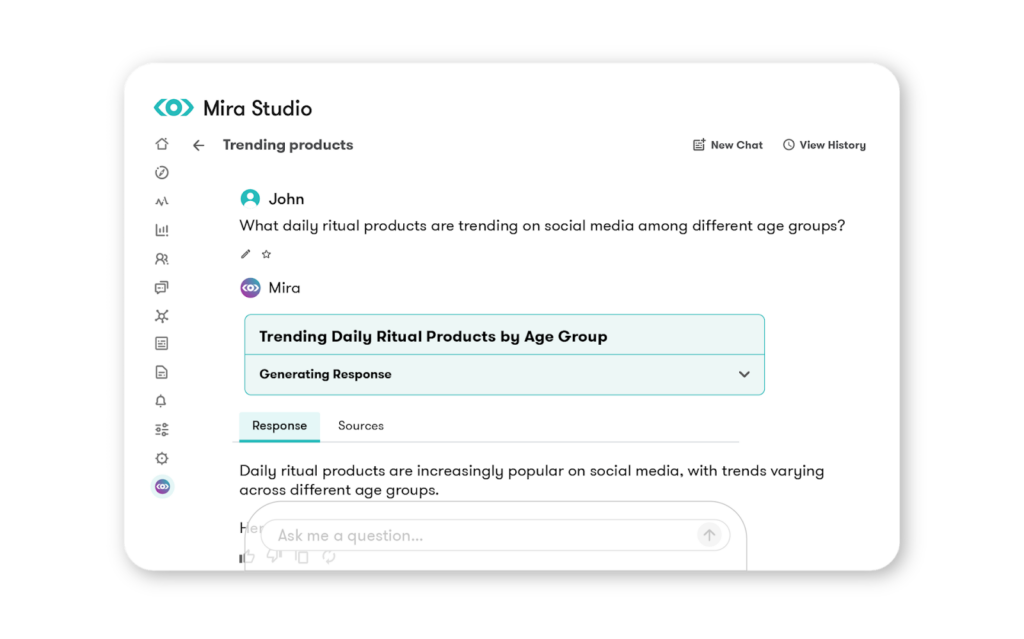
Meltwater is a media intelligence platform used primarily by enterprise brands. The platform has been around for over 20 years and covers eight product categories, including Media Intelligence, Social Listening, Media Relations, Consumer Intelligence, and Influencer Marketing.
Where CoverageBook stops at reporting on coverage you already have, Meltwater handles the full pipeline of monitoring, analyzing, and acting on media data. PR teams use it to track brand mentions, find journalists, distribute press releases, measure sentiment, and analyze competitor activity.
Pros
- Meltwater monitors online news, print, broadcast, podcasts, and social platforms simultaneously, giving teams a single source of truth for brand mentions.
- The media database helps PR teams find and pitch the right journalists across multiple regions without paying for a separate tool.
- Press release distribution and PR reporting dashboards live inside the same platform, removing the need to juggle multiple subscriptions.
- The Mira AI assistant surfaces trends and writes summaries on demand, cutting down the manual work of analyzing media data.
- GenAI Lens tracks how brands appear inside ChatGPT, Gemini, and other AI models, keeping Meltwater relevant as audience habits shift away from traditional search.
Cons
- There is no public price list or self-serve signup. Buyers have to book a demo, share their requirements, and wait for a custom quote.
- Meltwater is sold as a modular suite, so adding capabilities like influencer marketing, consumer intelligence, or GenAI Lens often means additional fees on top of the base contract.
- The breadth of the platform can feel like overkill for small businesses, and complex queries often take time to set up properly.
- Loading multiple searches or large data sets at once can slow the platform down, which affects day-to-day workflow.
CoverageBook vs Meltwater: Pricing Comparison
CoverageBook Pricing
CoverageBook offers month-to-month billing with no long-term commitment. Plans are based on “clips,” which are the pieces of coverage you add to your account (article URL, social post, or media file):
- Bronze: $99 per month for 100 clips and up to 5 users.
- Bronze Plus: $169 per month for 200 clips and up to 10 users.
- Silver: $229 per month for 400 clips, up to 50 users, team onboarding training, and priority support.
- Gold: $599 per month for 1,200 clips, up to 100 users, bespoke onboarding, and Zoom support.
Charities and non-profits receive a 30 percent discount, and all plans include a 30-day free trial.
Meltwater Pricing
Meltwater organizes its offering into three tiers (Essentials, Suite, and Enterprise) but does not publish prices for any of them.
Based on industry data, Meltwater contract prices range from about $6,900 to $100,000 per year, with the median buyer paying about $25,000 annually.
AmpiFire vs CoverageBook vs Meltwater Comparison Table
| Feature | AmpiFire (AmpCast AI) | CoverageBook | Meltwater |
| PrimaryFunction | Multi-format content creation and distribution across 300+ sites | PR coverage, reporting, and presentation | Media intelligence, monitoring, and analytics |
| ContentFormats | 8 formats (news articles, blog posts, podcasts, videos, shorts, infographics, slideshows, social posts) | Reports only, no content creation | Reports and dashboards, no content creation |
| Distribution | 300+ high-authority sites, including Google News, YouTube, Spotify, Pinterest, Fox affiliates, MSN | None (reporting only) | Press release distribution as an add-on module |
| Best For | Small and mid-sized businesses building long-term traffic from search, social, video, and podcasts | Agencies and in-house teams that need polished coverage reports | Large enterprise teams needing a full-suite media intelligence |
| Contract | No long-term commitment | Monthly, cancel anytime | 12-month minimum standard |
Alternatives to CoverageBook & Meltwater
Several other tools serve overlapping needs in the media space, each with a different focus:
- AmpiFire moves beyond traditional PR tools by helping brands gain organic visibility through creating and distributing content rather than only measuring it. The platform turns one topic into 8 content formats and publishes across 300+ platforms, making it a strong fit for businesses that want to build a strong online presence.
- Cision is a longstanding enterprise PR platform offering media monitoring, journalist databases, and press release distribution. Like Meltwater, pricing is custom and tends toward the higher end of the market.
- Muck Rack focuses on journalist discovery and pitching, with a clean interface and strong reporting features. Pricing is also custom and is generally aimed at communications teams with established budgets.
AmpiFire: Beyond Traditional PR Tools
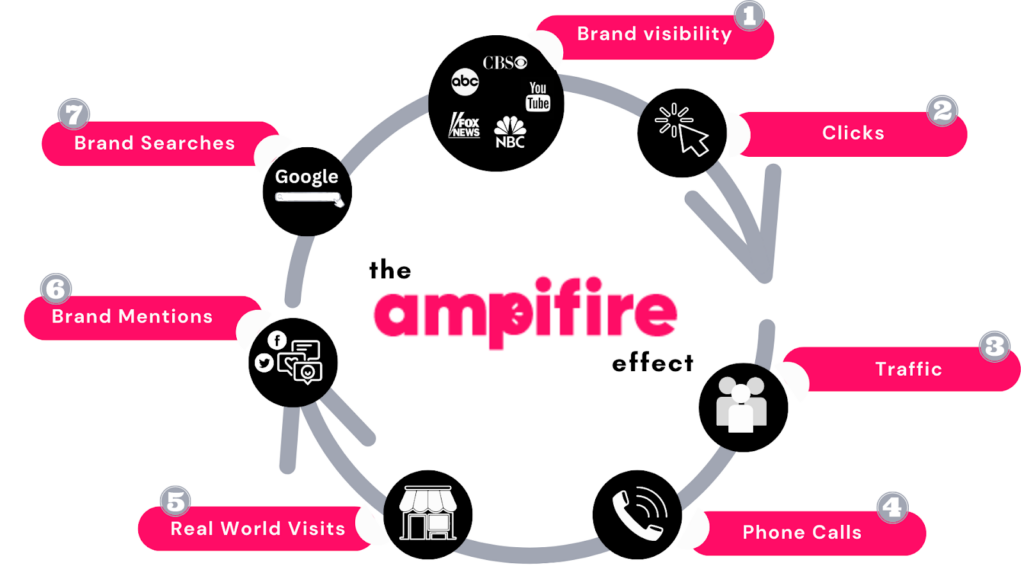
CoverageBook and Meltwater both solve real problems, but only after the harder work of earning visibility has already happened. For the many businesses that struggle to generate consistent press coverage in the first place, tracking scattered placements rarely delivers the return that leadership expects. The smarter spend goes upstream into a system that creates visibility across the platforms where customers search, watch, and listen.
That is where AmpiFire operates in a category of its own. The platform uses its AmpCast AI to create content in 8 formats (news articles, blog posts, interview podcasts, long videos, video shorts, infographics, slideshows, and social posts) and distributes them across 300+ high-authority sites, including Google News, YouTube, Spotify, Pinterest, Apple News, Fox affiliate sites, and MSN. The output is built to keep working long after publication, which is what makes ongoing campaigns more cost-effective than relying on a single press release or paying to track scattered coverage.
Ready to Replace Press Releases? Try the AmpiFire Method →
Frequently Asked Questions (FAQs)
What is the main difference between CoverageBook and Meltwater?
CoverageBook is a focused PR reporting tool that turns curated coverage links into branded reports. Meltwater is a much broader platform that handles monitoring, social listening, journalist outreach, distribution, and analytics across an enterprise suite.
Does CoverageBook monitor for press coverage automatically?
No. CoverageBook intentionally requires you to add coverage manually by pasting URLs or uploading files. The team built it this way to avoid the noise and irrelevant mentions that fully automated monitoring tools tend to surface. If you need automated discovery, you would pair CoverageBook with a separate monitoring tool or use a broader platform like Meltwater.
How much does Meltwater really cost?
Meltwater does not publish public pricing. Industry data shows that typical contracts range from around $6,900 to $100,000 per year.
Are CoverageBook or Meltwater good for small businesses without a PR team?
CoverageBook can work for solo publicists and small agencies because of its low entry price. Meltwater, with its enterprise-style pricing and annual contracts, is generally not built for small businesses operating without dedicated PR resources. Most small businesses benefit more from tools that help generate coverage rather than only measure it.
How does AmpiFire compare to CoverageBook and Meltwater?
AmpiFire focuses on creating and distributing multi-format content rather than tracking or reporting on coverage. AmpCast AI generates 8 content types from one topic and distributes them across 300+ high-authority platforms, building sustained traffic from search, social, video, and podcast channels. For businesses that need to build visibility, AmpiFire delivers a different kind of return on investment than a reporting or monitoring tool.
*Note: Pricing and/or product availability mentioned in this post are subject to change. Please check the retailer’s website for current pricing and stock information before making a purchase.