Key Takeaways
- Press releases remain relevant in 2026; however, most press releases face growing challenges, including declining journalist attention spans and digital newsroom oversaturation.
- Modern press releases have evolved beyond text to incorporate multimedia elements like infographics and video snippets, making them more effective in the digital landscape.
- Companies should evaluate whether press releases align with their specific communication goals rather than automatically including them in their PR strategy.
- Multi-format content distribution through AmpiFire transforms a single topic into 8 formats and publishes it across 300+ sites, delivering better results than traditional single-format press release distribution.
Press Releases in 2026: Still Relevant or Outdated PR Tool?
Let’s be honest: traditional press releases have become largely irrelevant in 2026. The harsh reality is that most press releases now disappear into the void, ignored by overwhelmed journalists who receive hundreds of pitches daily. What was once a direct line to media coverage has devolved into an inefficient, hope-based marketing tactic that rarely produces meaningful results for businesses without established brand recognition.
The fundamental problem isn’t the format itself; it’s the complete dependency on journalists choosing to cover your story. Even perfectly crafted press releases with newsworthy content routinely get buried under competing announcements, deleted without being read, or simply ignored because publications have their own content calendars and agendas. For the vast majority of businesses, traditional press releases are a wasted effort, yielding minimal to no coverage despite significant time and resource investment.
However, while traditional press release distribution has become outdated, the core concept of announcing news remains essential. The solution isn’t abandoning announcements altogether; it’s recognizing that the old model of hoping journalists will pick up your story needs to be replaced with modern multi-channel distribution strategies that guarantee your message reaches target audiences directly.
Why Press Releases Don’t Work Anymore
Smart Businesses Are Moving Beyond Traditional PR
• The Problem: Press releases reach one audience through one channel while your customers are everywhere online. Most get buried within days with poor ROI.
• The Solution: AmpiFire’s AmpCast creates 8 different content formats from one topic and distributes across 300+ high-authority sites including Fox affiliates, Spotify, and YouTube.
What You’ll Learn on PR Zen:
✓ Why multi-channel content delivers 10x better results than press releases
✓ How to amplify your PR efforts across multiple platforms
✓ Real case studies of businesses dominating search, social, video, and podcasts
✓ Cost-effective alternative to expensive PR agencies
Ready to Replace Press Releases? Learn the AmpiFire Method →
Understanding The Effectiveness of Press Releases
The effectiveness of traditional press releases has declined dramatically, with most businesses experiencing disappointing results that fail to justify the time, effort, and expense invested.
While press release advocates claim these announcements serve multiple valuable functions, the reality is that without guaranteed media pickup, traditional press releases rarely deliver meaningful business outcomes for companies lacking household-name recognition or pre-existing media relationships.
The Coverage Gap: Why Most Press Releases Generate Zero Results
Industry data reveal a troubling truth about press release effectiveness: the vast majority produce no measurable results. Studies from PR distribution services show that 55%–97% of press releases distributed through traditional newswires are ignored. For small to medium-sized businesses without established media connections, success rates drop even lower.
This means that many businesses distributing press releases receive absolutely nothing for their investment except the ability to say they “issued a press release.” No journalist coverage. No traffic spikes. No brand visibility increases. The announcement simply disappears into the digital void, competing unsuccessfully against thousands of other press releases sent that same day.
The problem isn’t that the news lacks merit; it’s that journalists are overwhelmed with hundreds of daily pitches and press releases, forcing them to be highly selective about what they cover. Unless your company name is already recognizable or your announcement connects directly to trending stories they’re already writing about, your press release gets deleted unread.
Limited Reach Even When Coverage Occurs
On the rare occasions when traditional press releases do generate media coverage, the results are typically far less impactful than businesses expect. Most successful press releases produce one to three articles in industry publications or local media outlets, reaching a relatively narrow audience that may or may not include your target customers.
Consider the typical scenario: your product launch press release gets picked up by an industry trade publication with 50,000 subscribers. That sounds impressive until you realize that only a fraction of those subscribers will actually see the article, fewer will read it in full, and even fewer will take action.
This limited reach becomes even more problematic when you consider audience fragmentation in 2026. Your target customers aren’t all reading the same publications or consuming information through the same channels. Some prefer video content on YouTube. Others listen to podcasts during commutes.
Visual learners engage with infographics on Pinterest. Decision-makers research through Google searches that surface blog content. Traditional press release coverage, even when successful, typically reaches only one of these audience segments while missing everyone else.
Pros of Press Releases

1. Controlled Messaging During Company Announcements
The greatest strength of press releases lies in message control. When launching new products, announcing acquisitions, or revealing financial results, precise language matters tremendously. Press releases allow you to craft exact wording that articulates your position, presents data accurately, and frames announcements in alignment with broader company messaging. This level of control helps prevent misinterpretations that can spiral into PR challenges or even legal issues.
2. SEO Value & Online Discoverability
Press releases contribute meaningfully to your digital footprint when distributed through reputable channels. While their direct SEO impact has evolved, they still create valuable backlink opportunities when picked up by news outlets. These placements on high-authority domains signal credibility to search engines while driving referral traffic to your website.
3. Third-Party Credibility Through Media Coverage
When a respected publication covers your announcement, it lends you its credibility. This third-party validation carries significantly more weight than self-published content. Press releases also facilitate relationship-building with media outlets, positioning your brand as a reliable information source within your industry.
Cons of Press Releases
Declining Journalist Attention Spans
The harsh reality is that journalists receive hundreds of press releases daily while operating under increasingly tight deadlines. Even well-crafted announcements often receive mere seconds of attention before editors decide whether they’re newsworthy.
This attention scarcity means only truly significant stories typically break through. The bar for “news” has risen dramatically, and routine company updates that might have earned coverage a decade ago now barely register in overcrowded inboxes.
Oversaturation Problem in Digital Newsrooms
Digital newsrooms face unprecedented competition for content while dealing with reduced staff and resources. Many publications have cut specialized beat reporters who once maintained deep industry knowledge, replacing them with generalists covering multiple sectors.
This shift means fewer journalists possess the background knowledge needed to quickly recognize the significance of specialized announcements, reducing the number of specialized press releases that gain media coverage.
Cost vs. Return Assessment
Professional press release distribution through major newswires can cost anywhere from $500 to several thousand dollars per release. This investment becomes difficult to justify without clear metrics demonstrating return.
While major corporate announcements may warrant this expense, routine updates often generate minimal coverage relative to their distribution costs. The mathematics become particularly unfavorable for smaller brands without established media relationships or newsworthy developments.
The Final Verdict: Are Press Releases Worth Your Investment?
No, they are not. Despite their continued presence in the PR toolkit, press releases are rarely the most effective use of limited marketing resources for most organizations. The declining ROI becomes especially apparent when measuring direct media placements against distribution costs.
Modern digital channels frequently deliver superior engagement metrics, better targeting capabilities, and more measurable results at a fraction of the cost. Unless your organization is making truly significant announcements that warrant broad media attention, your communication budget likely generates higher returns when invested elsewhere.
Why AmpiFire Delivers Better Results Than Traditional Press Releases in 2026
The data is clear: traditional press releases face serious challenges in 2026. Journalists are overwhelmed, newsrooms are oversaturated, and distribution costs can reach thousands of dollars per release, with diminishing returns. Even when coverage happens, you’re still relying on someone else to tell your story.
There’s a better approach. Instead of paying hundreds of dollars to send a single news article to journalists who may never read it, AmpiFire transforms your announcement into eight different content formats: news articles, blog posts, interview podcasts, long-form videos, short-form videos, infographics, slideshows, and social posts. Then it automatically publishes all of this content across 300+ sites, including Google News, YouTube, Spotify, Pinterest, and FOX affiliate sites.
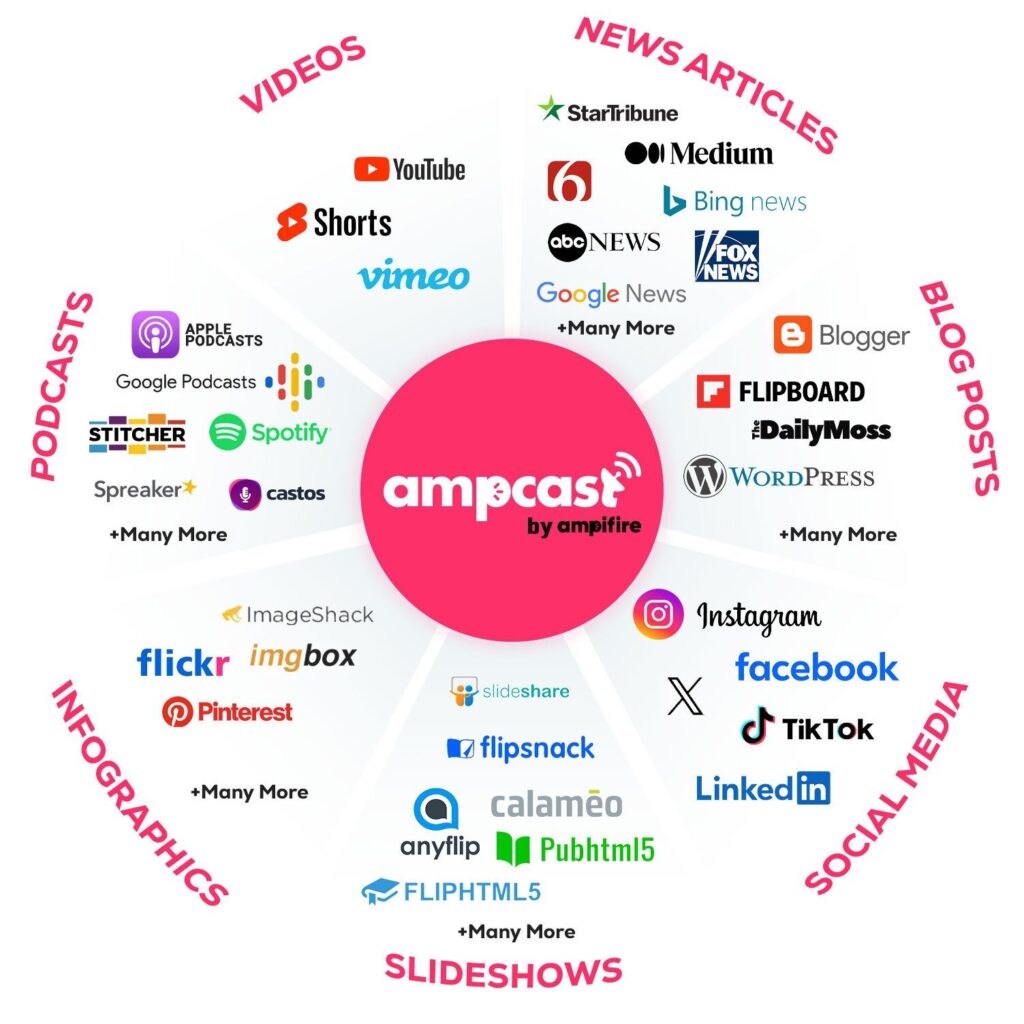
While press releases still serve a purpose for major announcements, smart brands in 2026 are building organic traffic from search, social media, video, and podcast platforms simultaneously. This creates lasting visibility that continues to drive results long after publication, rather than relying on a single media mention that disappears within days.
Ready to Replace Press Releases? Try the AmpiFire Method →
Frequently Asked Questions (FAQs)
How much does professional press release distribution cost?
Professional distribution through major newswires typically costs $500 to thousands of dollars. When evaluating these investments, compare potential returns with alternatives such as multi-channel distribution, media pitching, or content marketing that deliver better results.
Should startups invest in press releases or focus elsewhere?
Most startups should prioritize alternative visibility strategies over traditional press releases. Without established brand recognition, startups rarely generate meaningful coverage through standard distribution channels. Personalized media outreach, compelling owned content, and industry relationship building typically deliver better results. The exception arises at significant milestones, such as major funding rounds or partnerships with recognized players.
How many press releases should a company issue per year?
Quality trumps quantity. Most organizations should limit releases to 4–6 genuinely newsworthy announcements annually, focusing resources on maximizing impact rather than maintaining regular cadence. Overdistribution leads to diminishing returns as journalists begin to ignore communications.
How does AmpiFire compare to traditional press release distribution?
AmpiFire transforms one topic into 8 content formats, news articles, videos, podcasts, infographics, slideshows, blog posts, and social content, then publishes directly to 300+ sites, including Google News, YouTube, and Spotify. Unlike traditional distribution that relies on journalists’ decisions, AmpiFire builds organic traffic across multiple channels.
*Note: Pricing and/or product availability mentioned in this post are subject to change. Please check the retailer’s website for current pricing and stock information before making a purchase.