Key Takeaways
- Press releases are written statements distributed to media outlets, while press conferences are live events featuring direct interaction with journalists.
- Press releases offer controlled messaging and wider distribution, while press conferences provide immediate feedback and visual impact.
- The right choice depends on factors such as announcement significance, the need for dialogue, and available resources.
- Many organizations use both formats strategically as part of an integrated communications approach.
- AmpiFire transforms announcements into 8 content formats and distributes to 300+ platforms, reaching customers directly without relying on journalists.
Press Release vs Press Conference: What Sets Them Apart
Press releases and press conferences represent two distinct approaches to media relations, each with specific advantages and purposes. A press release is a written document distributed to journalists and media outlets to announce something newsworthy.
A press conference, meanwhile, is a scheduled event where representatives speak directly to assembled journalists, allowing for immediate questions and visual documentation. The fundamental difference lies in the interaction: press releases are one-way communication channels, while press conferences facilitate direct dialogue.
Understanding when to deploy each tool requires strategic consideration of your announcement’s importance, complexity, and the level of control you need over the message. Some situations clearly call for the formality and control of a written release, while others demand the immediacy and personal touch of a face-to-face conference.
Why Press Releases Don’t Work Anymore
Smart Businesses Are Moving Beyond Traditional PR
• The Problem: Press releases reach one audience through one channel while your customers are everywhere online. Most get buried within days with poor ROI.
• The Solution: AmpiFire’s AmpCast creates 8 different content formats from one topic and distributes across 300+ high-authority sites including Fox affiliates, Spotify, and YouTube.
What You’ll Learn on PR Zen:
✓ Why multi-channel content delivers 10x better results than press releases
✓ How to amplify your PR efforts across multiple platforms
✓ Real case studies of businesses dominating search, social, video, and podcasts
✓ Cost-effective alternative to expensive PR agencies
Ready to Replace Press Releases? Learn the AmpiFire Method →
Press Release Fundamentals: A Written Statement with Purpose

Core Elements of an Effective Press Release
Every successful press release contains several critical components that maximize its impact and usability for journalists.
- The headline must be attention-grabbing yet factual, typically under 10 words, while clearly conveying the announcement’s significance.
- The opening paragraph should answer the fundamental questions of who, what, when, where, and why, providing journalists with the essential information within the first 25 words.
- The boilerplate, a standardized paragraph about your organization, provides consistent background information for journalists unfamiliar with your company.
- Contact information must be current and include multiple channels (phone, email) for journalists seeking clarification or additional information.
When a Press Release Works Best
Press releases excel in situations where message control and wide distribution are priorities. They’re particularly effective for announcements that don’t require immediate visual representation or extensive explanation, such as new product launches, leadership appointments, milestone achievements, and partnership announcements.
Organizations operating with limited resources often favor press releases because they require less logistics, staffing, and budget than press conferences. The format also allows for precise messaging that minimizes misinterpretation, as every word can be carefully reviewed before distribution.
This control makes press releases especially valuable for sensitive announcements where precise language is crucial. Additionally, press releases create a permanent, citable record that can be referenced in future media coverage or marketing materials.
Distribution Channels That Maximize Impact
Distributing press releases effectively is crucial for maximizing media coverage. While traditional wire services like PR Newswire, Business Wire, and Cision remain industry standards, digital platforms have created new distribution opportunities.
Organizations now utilize email distribution to curated media lists, company websites and newsrooms, social media channels, and industry-specific platforms to ensure their announcements reach relevant audiences.
Press Conference Essentials: Face-to-Face Engagement
Structure & Format of a Successful Press Conference
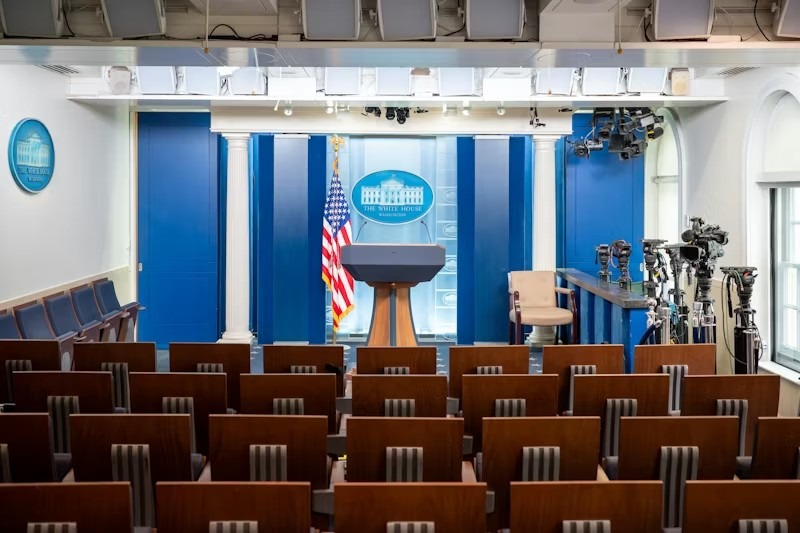
Effective press conferences follow a structured format that maximizes media engagement while maintaining message control. They typically begin with a brief welcome and agenda overview before transitioning to the main announcement.
Visual aids such as presentation slides, product demonstrations, or video content often supplement the verbal presentation to reinforce key messages and provide footage for broadcast media.
Location selection significantly impacts press conference success, with considerations including accessibility for journalists, appropriateness of the visual backdrop, technical capabilities, and symbolic relevance to the announcement.
Who Should Speak & Why
Speaker selection directly impacts a press conference’s credibility and news value. Primary speakers should include senior executives with direct knowledge and authority regarding the announcement, typically CEOs for major corporate news, department heads for specific initiatives, or technical experts for complex product launches.
Speaker preparation represents one of the most critical elements of press conference success. This includes developing concise talking points, anticipating challenging questions, practicing delivery, and conducting mock sessions with simulated journalist interactions.
Effective speakers balance authenticity with message discipline, delivering key points consistently while avoiding jargon or overly rehearsed responses.
Managing the Q&A Session
The question-and-answer period often generates the most newsworthy content from press conferences, requiring careful preparation and management. Establishing clear parameters at the outset (e.g., time limits, question protocols, and topic boundaries) helps maintain structure while demonstrating transparency.
Effective Q&A sessions require speakers to acknowledge questions directly, provide concise responses, and maintain consistent messaging across all answers. When faced with hostile or loaded questions, successful speakers acknowledge concerns without becoming defensive, correct misinformation firmly but respectfully, and bridge back to key messages.
For questions beyond a speaker’s expertise, the best practice is to acknowledge limitations and commit to follow-up rather than speculating or deflecting.
Press Release vs Press Conference: Comparison Table
| Factor | Press Release | Press Conference |
| Format | Written document (typically 1–2 pages) | Live event with speakers and media attendance |
| Interaction Level | One-way communication | Two-way dialogue with Q&A opportunities |
| Resource Requirements | Low to moderate (writing, distribution costs) | High (venue, staffing, preparation, technical support) |
| Message Control | High (every word can be reviewed) | Moderate (unpredictable questions, live responses) |
| Media Coverage Potential | Moderate (depends on newsworthiness) | High (event status generates attention) |
| Visual Component | Limited (can include images/graphics) | Strong (speakers, demonstrations, environment) |
| Preparation Time | Hours to days | Days to weeks |
The decision between these formats should align with strategic communication objectives rather than convenience or tradition.
Major announcements with significant public interest, complex information requiring explanation, or situations where visual presentation enhances understanding generally benefit from press conferences.
Routine updates, announcements with sensitive legal implications, or situations with limited resources may be better served by press releases.
Examples of Press Releases & Press Conferences That Changed Perceptions
Examining real-world examples provides valuable insights into how each format can be deployed effectively.
Apple’s product launches represent the gold standard for strategic press conferences, with their carefully choreographed presentations generating global media coverage and consumer excitement. Their 2007 iPhone introduction by Steve Jobs transformed a product announcement into a cultural moment that traditional press releases could never have achieved.
In contrast, Google often relies on press releases for major algorithm updates that affect millions of websites, allowing it to provide detailed technical information while minimizing misinterpretation risks. Their structured releases include implementation timelines and resource links that journalists can reference accurately without needing extensive in-person technical explanation.
Crisis communications demonstrate how these formats serve different objectives under pressure. Johnson & Johnson’s response to the 1982 Tylenol tampering case featured both tools strategically. Initial press conferences demonstrated leadership accountability and immediate action, while subsequent press releases provided ongoing updates on product safety measures. This dual approach helped restore consumer confidence and is still studied as an effective crisis response model.
Beyond Press Releases & Conferences: AmpiFire’s Multi-Format Distribution Advantage
Both press releases and press conferences serve important purposes, but they share a critical limitation: they rely on journalists to cover your story before it reaches your target audience.
What if you could bypass this bottleneck entirely while still getting media coverage? AmpiFire takes a fundamentally different approach by transforming your announcement into multiple content formats and distributing them directly to hundreds of platforms where your customers actually search, watch, listen, and browse.
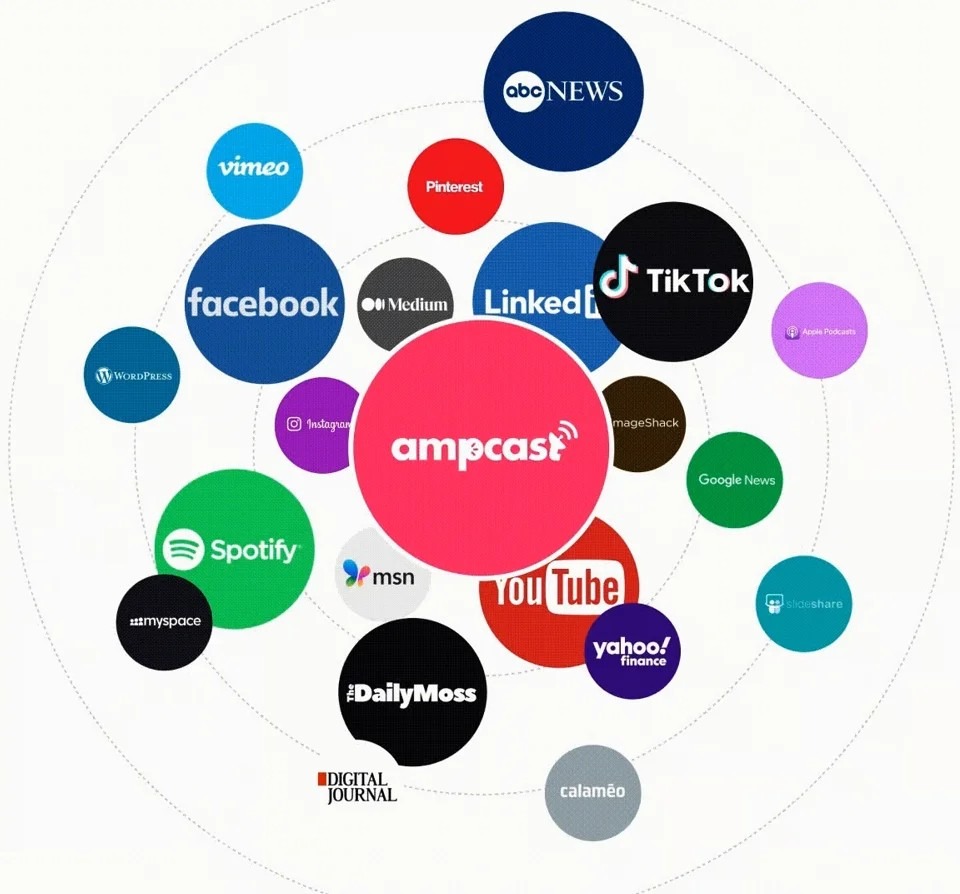
AmpiFire’s AmpCast AI platform converts any announcement into 8 different formats: news articles, blog posts, podcasts, long-form videos, short-form videos, infographics, slideshows, and social posts. These formats are then automatically published to 300+ high-authority sites, including Google News, YouTube, Spotify, Pinterest, FOX affiliate news sites, and major social platforms.
Instead of relying on journalists to notice your press release or to show up for a one-off announcement, AmpiFire helps you build sustained organic traffic across multiple channels simultaneously. Your content is distributed and indexed across search engines, video platforms, podcast directories, social media, and news sites, creating consistent visibility and long-term discovery rather than a single spike in attention.
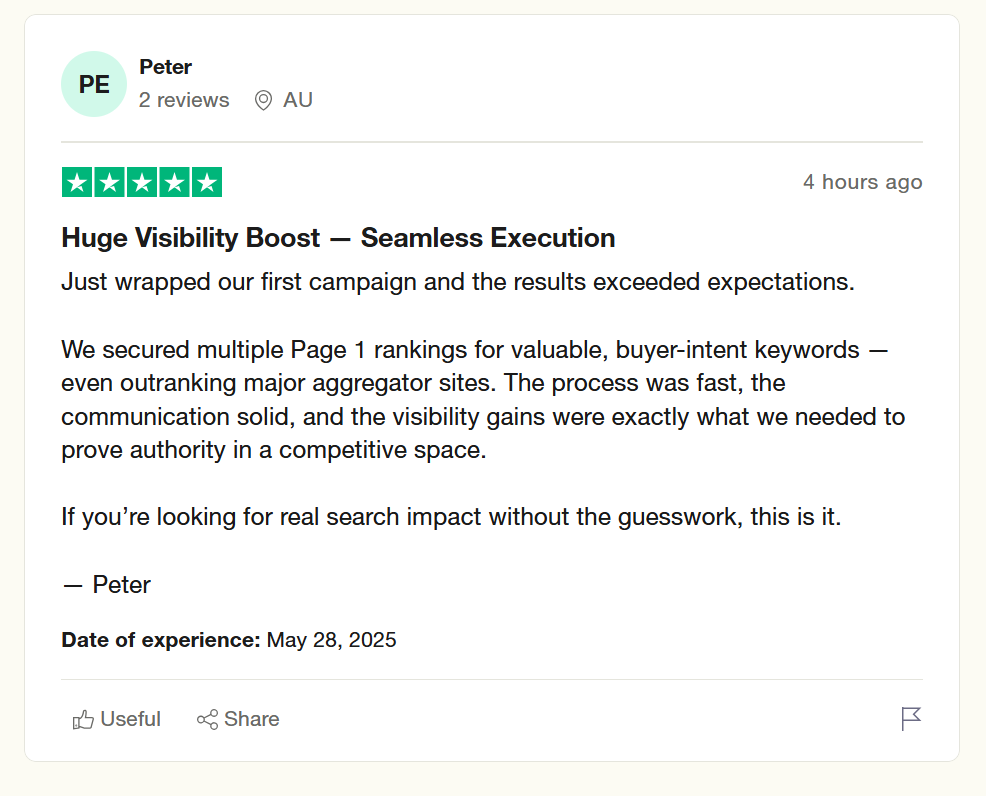
The ROI dramatically outperforms traditional PR strategies, with a few customers seeing multiple page 1 rankings using AmpiFire’s strategy.
You no longer have to spend days writing press releases, organizing press conferences, pitching journalists, and following up with media contacts. AmpiFire’s AmpCast handles all content creation and distribution automatically. This frees up 15–20 hours per week to focus on strategic activities such as building customer relationships, developing partnerships, or improving your products.
When potential customers research your company and find your content everywhere, as news articles, YouTube videos, podcast episodes, and social media posts, it builds powerful credibility that single press releases or conferences cannot match.
Ready to Replace Press Releases? Try the AmpiFire Method →
Frequently Asked Questions (FAQs)
When should I choose a press release over a press conference?
Choose press releases when you need precise message control, have limited resources, or are announcing routine updates that don’t require visual demonstration. Press releases work best for product launches, leadership appointments, partnership announcements, and financial results where accuracy is critical and wide distribution matters more than immediate interaction.
What makes a press conference more effective than a press release?
Press conferences excel when announcements benefit from visual demonstrations, require complex explanations, or demand transparency in crises. The interactive Q&A format allows journalists to obtain immediate clarification, while the speaker’s presence and body language add credibility. Major product launches, crisis responses, and significant policy changes typically warrant press conferences.
How much preparation time do press conferences require?
Effective press conferences typically require 2–4 weeks of preparation, including venue booking, speaker training, presentation development, media outreach, and logistics coordination. This includes developing talking points, anticipating difficult questions, conducting rehearsals, and creating backup plans. Press releases usually need just days to write, review, and distribute.
Can I combine press releases with press conferences?
Yes, the most effective strategies use both formats together. Host a press conference to drive immediate media engagement and visual content, while distributing detailed press releases for broader coverage and precise messaging. This combination maximizes the conference’s immediate impact while ensuring accurate information reaches journalists who couldn’t attend.
How does AmpiFire differ from traditional press release distribution?
Traditional press releases rely on journalists to cover your story before reaching audiences. AmpiFire transforms announcements into 8 content formats (e.g., news articles, blog posts, podcasts, long-form videos, short-form videos, infographics, slideshows, and social posts) and publishes directly to 300+ platforms, including Google News, YouTube, Spotify, and social media. This builds organic traffic from search, video, and social channels without depending on media coverage.