Key Takeaways
- Follow the standard eight-element press release format: headline, subheadline, dateline, lead paragraph, body, quote, boilerplate, and media contact information.
- Write every press release using the inverted pyramid structure, with the most important information first.
- Follow AP Style for the body of your release and reserve brand-specific styling for the boilerplate and quoted material.
- Keep your press release between 400 and 600 words, using a left-justified, single-spaced layout at 11 or 12-point font size.
- AmpiFire’s AmpCast AI turns one press release topic into 8 unique content formats and distributes them across 300+ high-traffic platforms, reaching audiences across search, social media, video, podcasts, and AI recommendations.
What Is a Press Release Style Guide & Why Does It Matter?
A press release style guide is a set of rules that governs how your press release looks, reads, and is structured.
Format matters because of how journalists work. They are trained to extract information quickly. A properly formatted press release puts the most important information first and uses a structure any reporter can navigate in under a minute.
Deviating from the standard format with creative layouts or unconventional structures creates friction and gives journalists a reason to skip your release entirely.
Why Press Releases Don’t Work Anymore
Smart Businesses Are Moving Beyond Traditional PR
• The Problem: Press releases reach one audience through one channel, while your customers are everywhere online. Most get buried within days with poor ROI.
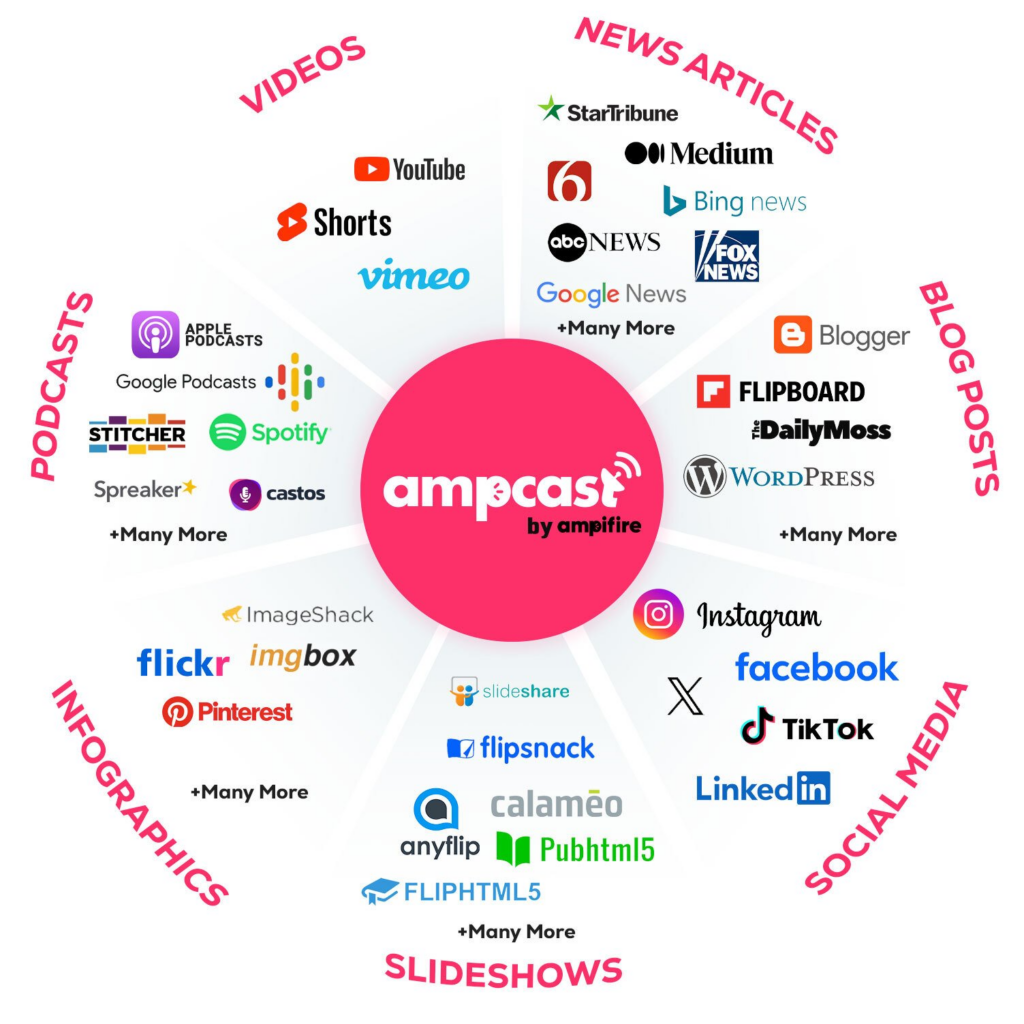
• The Solution: AmpiFire’s AmpCast creates 8 content formats (news articles, blog posts, interview podcasts, longer informational videos, reels/shorts, infographics, flipbooks/slideshows, and social posts) from a single topic and distributes them across 300+ high-authority sites, including Fox affiliates, Spotify, and YouTube.
What You’ll Learn on PR Zen:
✓ Why multi-channel content delivers 10x better results than press releases
✓ How to amplify your PR efforts across multiple platforms
✓ Real case studies of businesses dominating search, social, video, and podcasts
✓ Cost-effective alternative to expensive PR agencies
Ready to Replace Press Releases? Learn the AmpiFire Method →
The Standard Press Release Format
Every effective press release is built on the same eight-element framework.

1. Headline
Your headline is the single most important line in the entire document. It needs to communicate the news clearly and compel the journalist to keep reading. Write it in active voice, present tense where possible, and with no promotional language.
2. Subheadline
The subheadline gives you a second line to expand on the headline without repeating it. Use it to add a supporting detail, a key benefit, or a secondary hook that strengthens the story. It should be one sentence and do real work. If your subheadline restates the headline in different words, cut it or rewrite it.
3. Dateline
The dateline appears at the start of the first paragraph and establishes when and where the news is coming from. It typically looks like this:
NEW YORK, May 14, 2025 — First sentence of the lead paragraph begins here.
The city name is written in all caps, followed by the state abbreviation for lesser-known cities, the date, and an em dash before the first sentence. AP Style governs the date format. Months with six or more letters are abbreviated (Jan., Feb., Aug., Sept., Oct., Nov., Dec.), while March, April, May, June, and July are written out in full.
4. Lead Paragraph
The lead paragraph is where you answer the five Ws: who, what, when, where, and why. If a journalist reads nothing else, the lead should give them the full story in condensed form. Keep it to two or three sentences maximum.
5. Body Paragraphs
The body expands on the lead using an inverted pyramid structure, with the most important information first and supporting details after. Each paragraph should build context, add data, or provide background. Two to three focused body paragraphs are almost always enough. If a sentence does not add new information, remove it.
6. Quote
Every press release should include at least one quote from a relevant spokesperson, such as a CEO, product lead, or subject matter expert. The quote gives journalists a human voice to include in their story without conducting an interview.
7. Boilerplate
The boilerplate is a short paragraph at the end of the press release that describes your company. It should include what your company does, who it serves, when it was founded, and any key credentials. Keep it between 50 and 100 words with a factual, non-promotional tone.
8. Media Contact Information
The media contact block goes at the end of the release and tells journalists exactly who to reach out to for more information. Include the contact’s full name, title, phone number, and email address.
Do not list a generic email address. Journalists need to reach a real person quickly, often on deadline, and a missed callback means a missed placement.
Press Release Writing Tips That Get Results

Write Your Headline Like a News Editor
Journalists spot promotional language immediately, and it signals that the release is not newsworthy. Lead with the news, not the brand.
Use active voice, include a specific number or data point when possible, and keep it under 110 characters so it displays cleanly in email subject lines. “TechStart Inc. Releases Inventory Tool That Cuts Retail Shrinkage by 32%” is a story. “TechStart Inc. Announces Exciting New Product Launch” is not.
Lead With the Most Important Information First
The inverted pyramid is not optional. Editors cut press releases from the bottom up when they are short on space. If your most critical information is buried in paragraph four, it will be removed. Every paragraph should be able to stand alone as a summary of everything above it.
Keep It to One Page When Possible
The standard press release length is 400 to 600 words. That is based on how much a journalist is realistically willing to read from an unsolicited source. Major announcements like acquisitions or clinical trial results can extend to 800 words, but only when the additional detail genuinely serves the journalist.
Use One Quote That Adds Perspective
A quote should provide insight or context that the factual paragraphs cannot. Avoid generic lines like “We are thrilled to announce.” Instead, use the quote to explain the why behind the news or to address what it means for the customer or the industry.
Proofread Before You Send
A single factual error, misspelled name, or broken link can cost you a placement. Have at least one person outside your writing team review the release before distribution. Check every name, date, figure, and URL.
Press Release Style Rules to Follow
AP Style vs Brand Style
The Associated Press Stylebook is the default style guide for press releases. When your release matches AP Style, it reduces the editing work journalists need to do before publishing. When your brand style conflicts with AP conventions, let AP Style govern the body of the release and reserve brand-specific styling for the boilerplate and quoted material.
Formatting & Layout
Use a clean serif or sans-serif font at 11 or 12-point size. Single-space within paragraphs and double-space between them. Justify text to the left. Centered text reads like a flyer, not a news document.
Press Release Example: Product Launch
The following example shows how a product launch press release applies the format, structure, and style rules covered in this guide.
FOR IMMEDIATE RELEASE
Contact: Sarah Chen, PR Manager | sarah@novahq.com | (415) 555-0173
Nova HQ Launches Workflow Platform That Reduces Project Delays by 35% for Remote Teams
The platform integrates with over 50 tools and is available immediately with a 14-day free trial
SAN FRANCISCO, May 20, 2025 — Remote teams lose an average of six hours per week to miscommunication and missed handoffs between project management tools. Nova HQ, a San Francisco-based software company, today launched a workflow automation platform designed to eliminate that problem by connecting existing tools into a single real-time dashboard.
The platform integrates natively with Slack, Asana, Google Workspace, and more than 50 other applications. Early adopters in beta testing reported a 35% reduction in project delays over a 90-day period.
“We did not build another project management tool,” said Priya Rao, CEO of Nova HQ. “We built the layer that makes every tool a team already uses actually work together.”
Nova HQ is available immediately at novahq.com. Pricing starts at $19 per user per month, with a 14-day free trial for all new teams.
About Nova HQ: Nova HQ is a workflow automation company founded in 2021 and headquartered in San Francisco. The company serves over 3,000 teams across 28 countries. For more information, visit www.buynova.com.
###
This example follows every element covered in this guide: a specific headline, a lead paragraph answering the five Ws, supporting data in the body, a quote that adds perspective, and a clean boilerplate with contact information.
Go Beyond Press Releases with AmpiFire’s AmpCast AI
Following a press release style guide gets your document into the right shape. But even a perfectly formatted press release still relies on one channel to get noticed.
AmpiFire’s AmpCast AI works differently. You start with one topic, and it produces eight fully formed content pieces: news articles, blog posts, interview-style podcasts, long-form and short-form videos, infographics, slideshows, and social posts. Every piece is then distributed to over 300 high-traffic platforms, including Fox affiliate news sites, YouTube, and Spotify.
Instead of perfecting one document and hoping it lands, your message is already live across search, social media, video, audio platforms, and AI recommendations at the same time. That is what makes AmpCast AI a more practical and affordable option than managing freelancers, hiring agencies, or building a content team from scratch.
It is also worth noting that content marketing delivers its strongest results over time. The longer AmpCast AI runs campaigns consistently for your business, the more compounding organic traffic and brand authority you build across every platform.
Ready to Go Multi-Channel? Try AmpCast AI Today.
Frequently Asked Questions (FAQs)
What is the correct format for a press release?
The correct format includes eight core elements in order: the “For Immediate Release” line, headline, subheadline, dateline, lead paragraph, body paragraphs, quote, boilerplate, and media contact information. The body follows an inverted pyramid structure. The release should follow AP Style, run between 400 and 600 words, and end with the “###” symbol.
How long should a press release be?
A press release should be 400 to 600 words for most announcements. Complex topics like acquisitions or major policy changes can extend to 800 words. Anything longer should be restructured, with supplementary information moved to a media kit or fact sheet.
What does “For Immediate Release” mean on a press release?
It means the information can be published as soon as the journalist receives it, with no waiting period or embargo. It appears in the upper left corner of the release, above the headline. If you are sharing information ahead of a publication date, you would replace this with embargo language specifying when the information can be made public.
What is a boilerplate in a press release?
A boilerplate is a short paragraph at the end of a press release that describes your organization. It should cover what your company does, who it serves, key credentials like founding year or client count, and a website URL. Keep it between 50 and 100 words with a factual, non-promotional tone.
How can AmpiFire help distribute my content beyond a press release?
Instead of sending a single press release through a single wire service, AmpiFire’s AmpCast AI repurposes your announcement into eight content formats and publishes them across over 300 high-traffic websites. Your message appears on news sites, video and audio directories, AI recommendations, and social media without waiting for editorial approval. It is a faster and more cost-effective alternative to relying on traditional distribution or hiring an in-house content team.
*Note: Pricing and/or product availability mentioned in this post are subject to change. Please check the retailer’s website for current pricing and stock information before making a purchase.