Key Takeaways
- A newsworthy press release combines timeliness, relevance, and a specific angle that gives journalists a reason to cover your story.
- Generic company announcements rarely get picked up because they lack a clear news hook that connects to a broader audience or trend.
- Strong press releases include concrete data, real results, or a compelling human interest element rather than vague promotional claims.
- Even the best press release only reaches one channel, so pairing it with a multi-format content strategy multiplies your reach significantly.
- AmpiFire helps businesses go beyond press releases by creating and distributing content across 300+ high-authority sites in eight different formats.
Why Do Most Press Releases Never Get Picked Up?
The majority of press releases sent to journalists and news desks are ignored simply because they lack newsworthiness. A press release that reads like an advertisement or contains no real news hook gives editors zero incentive to publish it. The gap between what businesses think is newsworthy and what actually earns coverage is one of the biggest blind spots in PR.
A truly newsworthy press release has a clear reason to exist right now. It answers the question every journalist silently asks: “Why should my readers care about this today?” Understanding what separates a forgettable announcement from a story worth covering is the first step toward getting real results from your PR efforts.
Why Press Releases Don’t Work Anymore
Smart Businesses Are Moving Beyond Traditional PR
• The Problem: Press releases reach one audience through one channel, while your customers are everywhere online. Most get buried within days with poor ROI.
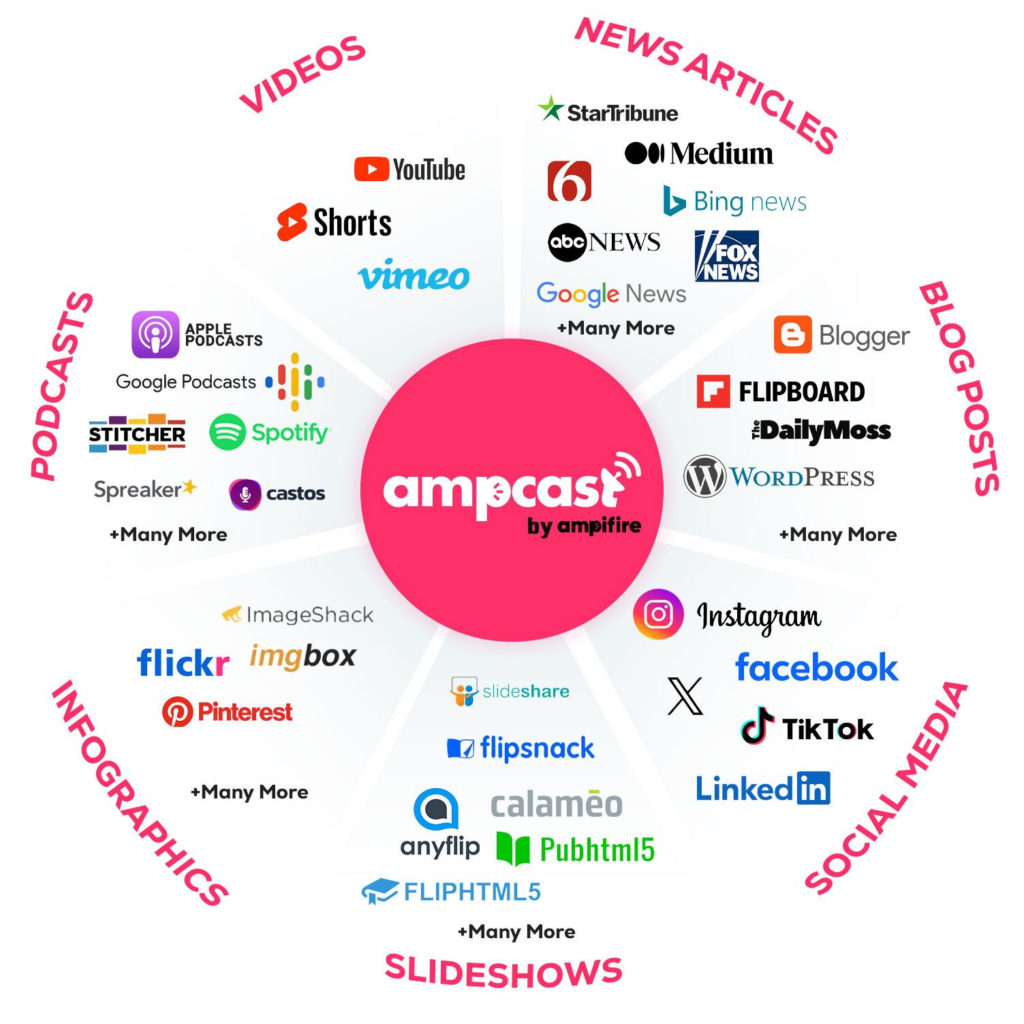
• The Solution: AmpiFire’s AmpCast creates 8 content formats (news articles, blog posts, interview podcasts, longer informational videos, reels/shorts, infographics, flipbooks/slideshows, and social posts) from a single topic and distributes them across 300+ high-authority sites, including Fox affiliates, Spotify, and YouTube.
What You’ll Learn on PR Zen:
✓ Why multi-channel content delivers 10x better results than press releases
✓ How to amplify your PR efforts across multiple platforms
✓ Real case studies of businesses dominating search, social, video, and podcasts
✓ Cost-effective alternative to expensive PR agencies
Ready to Replace Press Releases? Learn the AmpiFire Method →
What Does “Newsworthy” Actually Mean?
Newsworthiness is the quality that makes a story worth reporting. In the context of press releases, it means your announcement contains information that is timely, relevant, and interesting enough for a journalist to share with their audience. A product launch by itself is not automatically newsworthy. A product launch that solves a documented problem in a new way, backed by early results, is a different story entirely.
Think of it this way: journalists are looking for stories their readers will click on, share, and talk about. If your press release does not help them do that, it ends up in the trash. The bar is not impossibly high, but it does require more effort than simply describing what your company did.
Key Elements That Make a Press Release Newsworthy
Timeliness and Relevance
A press release must connect to something happening right now. Tying your announcement to a current event, seasonal trend, industry shift, or cultural moment gives it urgency. Announcing a new tool by a cybersecurity company is routine. That same company announcing the tool during a wave of high-profile data breaches is timely and relevant.
Relevance also means your announcement matters to the outlet’s specific audience. A local business expansion is newsworthy for regional media but not for a national technology publication. Matching your release to the right audience is half the battle.
A Strong, Specific Angle
Vague announcements get vague results. “Company X is excited to announce its latest innovation,” tells a journalist nothing useful. A strong angle is specific and positions your news within a larger context. Instead of “We launched a new app,” try framing it as “Our app reduced onboarding time by 60% for mid-size retail teams.” The angle gives the journalist a story, not a bare fact.
The best angles answer one of these questions: What problem does this solve? What changed because of this? Who benefits and how?

Real Data or Concrete Results
Numbers make a press release credible and shareable. Journalists prefer stories they can verify and quantify. Including specific metrics, customer outcomes, or measurable results turns a generic announcement into a data-backed story. For example, stating that “our platform helped a local restaurant increase weekly orders by 35% in three months” is far more compelling than claiming you “help businesses grow.”
Be honest and specific. Avoid inflated claims or rounded-up numbers that cannot be supported. Credibility is everything in earned media.
Human Interest or Community Impact
Stories about real people connect. If your press release can highlight how a product, service, or initiative affected a specific person, community, or cause, it becomes much more appealing to editors. A nonprofit announcing a new program is standard. That same nonprofit sharing how the program helped a single mother return to the workforce is a story people will read and remember.
Human interest does not mean you need a dramatic narrative. Even a brief customer quote or a short description of real-world impact adds depth that pure corporate language cannot.
Examples of Newsworthy Press Releases
Consider a small software company that framed its press release around a local school district adopting its platform, resulting in a 40% reduction in administrative paperwork. The release focused on the school’s experience and included a quote from the principal. Local and education-focused outlets picked it up because the story was specific, results-driven, and human.
Another strong example is a health and wellness brand that timed its product announcement to coincide with a national awareness month. The release included usage data from early adopters and a partnership with a recognized nonprofit. The timing, data, and partnership gave journalists multiple hooks to work with.
In contrast, a press release that simply states “Company announces new product line” with no data, no customer angle, and no timely connection will almost always be overlooked. The difference is not budget or connections. It is the quality of the story being told.
Practical Tips for Writing a Newsworthy Press Release
- Start with your headline. If it does not communicate something new, interesting, or important in under 15 words, rewrite it. Your headline is the first and often the only thing a journalist reads before deciding to continue or delete.
- Front-load your first paragraph. Write it as if the rest of the release will not be read. Put the most important information up front: what happened, why it matters, and who it affects. Journalists skim aggressively, so lead with your strongest point.
- Keep the language simple and direct. Avoid jargon, buzzwords, and excessive adjectives. If you would not say it in a normal conversation, do not put it in a press release.
- Include a clear quote from a real person. Quotes add personality and give journalists something they can pull directly into their coverage. A quote from a founder, customer, or partner makes the story feel grounded.
- Always include contact information and relevant links. Making it easy for a journalist to follow up or verify your claims increases your chances of getting published.

Why Is a Single Press Release No Longer Enough?
Even if you write a perfect press release, it still only reaches one type of audience through one channel. It gets published, maybe picked up by a few outlets, and then disappears within days. The return on investment for a single press release, no matter how newsworthy, is limited by its format and reach.
Your potential customers are not just reading news articles. They are watching videos on YouTube, scrolling social media feeds, listening to podcasts on Spotify, and browsing blogs. A single press release cannot reach all of those platforms. That is why businesses seeing the strongest results today are shifting toward multi-channel content strategies that put their message in front of audiences across search, social, video, and audio simultaneously.
The businesses that consistently generate organic traffic and brand awareness are the ones showing up everywhere their audience spends time, not just in one news cycle.
How AmpiFire Helps You Go Beyond Press Releases
At AmpiFire, we built our platform because we saw firsthand how limited traditional press releases are. A single announcement on a newswire might get a brief spike in attention, but it fades fast and rarely delivers lasting traffic or leads.
Our approach is different. With AmpiFire’s AmpCast AI, we take a single topic and create eight content formats: news articles, blog posts, interview-style podcasts, long-form videos, short-form reels, infographics, slideshows, and social posts. We then distribute that content across 300+ high-authority sites, including Fox affiliate sites, Spotify, Apple Music, YouTube, and Pinterest.
This multi-channel strategy means your message does not rely on a single article getting picked up. Instead, it appears across the platforms your audience already uses.
We also handle the research side, identifying the topics your potential customers are searching for before they buy, so your content answers real questions and attracts qualified traffic. For businesses that want to stop relying on one-and-done press releases and start building a consistent content presence, AmpiFire provides a faster, more cost-effective path than hiring an in-house team or working with a traditional PR agency.
Frequently Asked Questions (FAQs)
What is the most important element of a newsworthy press release?
Timeliness paired with a specific angle is the most critical combination. Your announcement needs to connect to something happening now and clearly explain why it matters to a defined audience. Without both, most press releases get ignored.
How long should a press release be?
A press release should be between 300 and 500 words. Journalists prefer concise, scannable releases that deliver the key facts quickly. Anything longer risks losing the reader’s attention before they reach your main point.
Can a small business write a newsworthy press release?
Absolutely. Small businesses often have strong local angles, community impact stories, and specific customer results that make excellent news hooks. The key is focusing on a real story rather than a generic company description.
How often should a business send press releases?
Only send a press release when you have genuine news to share. Sending too frequently with weak content damages your credibility with journalists. Quality and timing matter far more than volume.
How does AmpiFire compare to traditional press release distribution?
AmpiFire goes well beyond sending a single press release. We create eight content formats from one topic and distribute them across 300+ platforms, including news sites, video channels, podcast directories, and social media, giving businesses far wider and longer-lasting reach than any traditional newswire service.