Key Takeaways
- A magazine press release follows a specific format, including a headline, dateline, lead paragraph, body, boilerplate, and media contact information, to pitch stories to editors.
- Your headline and opening paragraph must immediately communicate newsworthiness, or editors will skip your pitch within seconds of opening it.
- Magazine press releases differ from standard ones because they require longer lead times and a more narrative, feature-oriented story angle.
- Including quotes, data points, and a clear story angle increases your chances of getting picked up by both print and digital magazine editors.
- AmpiFire helps businesses move beyond single press releases by distributing content in eight formats across 300+ high-authority platforms for wider reach.
What Makes a Magazine Press Release Different
Standard press releases target news desks, wire services, and online publications that publish on tight turnaround times. Magazine press releases, on the other hand, need to account for editorial calendars that plan content one to three months in advance.
This means your pitch must align with upcoming themes or seasonal issues, and your story angle should feel less like breaking news and more like a feature worth reading.
Magazine editors also prefer pitches that tell a story rather than list product features. A dry announcement about a new product launch will likely be ignored. Instead, frame your press release around a trend, a human-interest angle, or a problem your business solves in a way that connects with the magazine’s readership.

Why Press Releases Don’t Work Anymore
Smart Businesses Are Moving Beyond Traditional PR
• The Problem: Press releases reach one audience through one channel, while your customers are everywhere online. Most get buried within days with poor ROI.
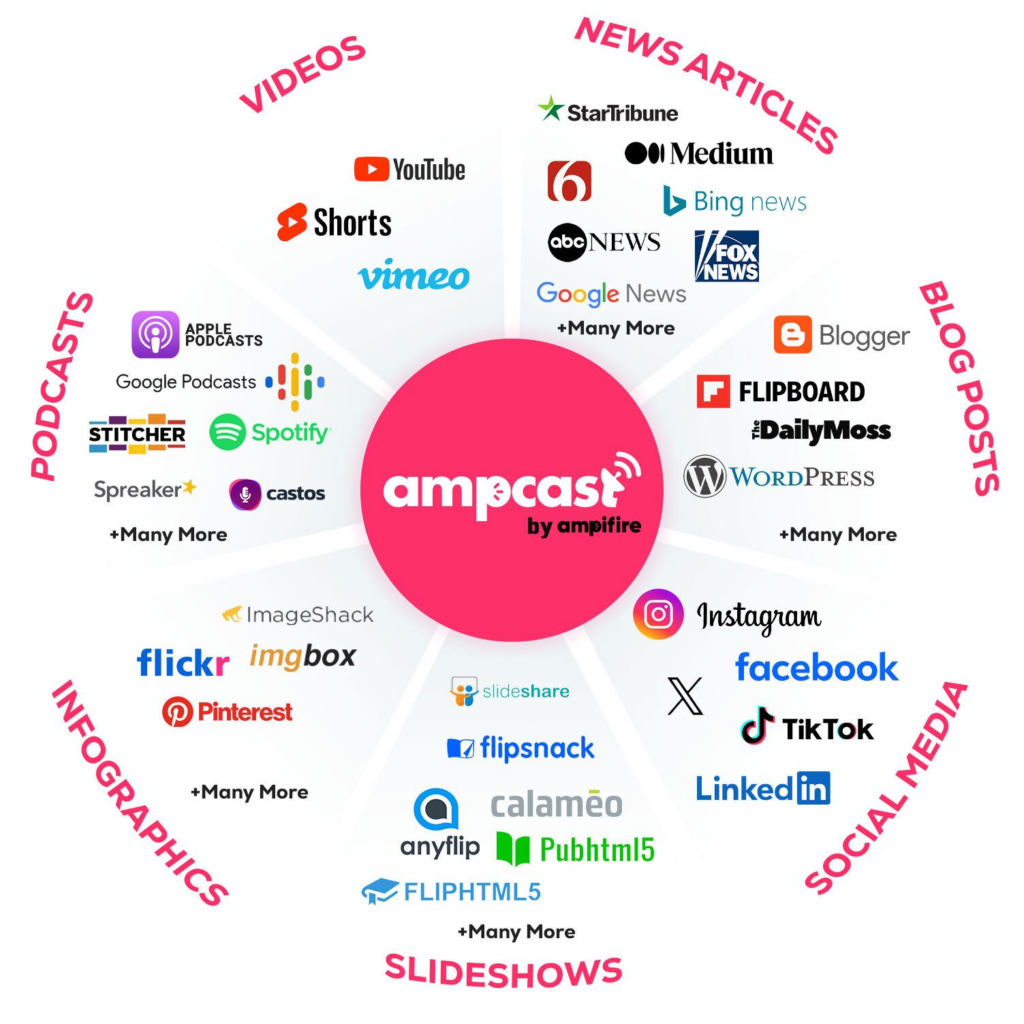
• The Solution: AmpiFire’s AmpCast creates 8 content formats (news articles, blog posts, interview podcasts, longer informational videos, reels/shorts, infographics, flipbooks/slideshows, and social posts) from a single topic and distributes them across 300+ high-authority sites, including Fox affiliates, Spotify, and YouTube.
What You’ll Learn on PR Zen:
✓ Why multi-channel content delivers 10x better results than press releases
✓ How to amplify your PR efforts across multiple platforms
✓ Real case studies of businesses dominating search, social, video, and podcasts
✓ Cost-effective alternative to expensive PR agencies
Ready to Replace Press Releases? Learn the AmpiFire Method →
How to Write a Magazine Press Release in 5 Steps
- Research the Magazine’s Editorial Calendar: Before writing a single word, check the magazine’s editorial calendar or media kit. Most publications list upcoming themes on their websites or make them available upon request. Matching your pitch to a planned issue dramatically increases your chances of getting published. If the magazine’s July issue focuses on summer wellness trends and your business sells organic skincare, that is your window.
- Write a Headline That Hooks the Editor: Your headline is the first thing an editor reads, and often the last if it fails to grab attention. Keep it under 10 words, make the news angle clear, and avoid generic phrasing. A strong headline states what is new and why it matters. For example, “Local Bakery Launches Gluten-Free Line for Celiac Awareness Month” is specific and timely. Compare that to “Exciting New Products from ABC Bakery,” which says very little. Specificity wins every time.
- Craft a Lead Paragraph with the Five Ws: The first paragraph must answer who, what, when, where, and why in a concise and compelling way. Editors scan hundreds of pitches weekly, so front-load the most important details. Your lead paragraph should make the story’s value obvious within two or three sentences. Here is a simple formula: [Company Name] is [doing what] on [date/timeframe] in [location] to [why it matters]. This structure keeps your opening tight and informative without unnecessary buildup.
- Build the Body with Quotes and Context: The body of your press release should expand on the lead with supporting details. Include a quote from a company spokesperson or founder to add a human element. Add relevant context such as market trends, customer demand, or community impact to help the editor see the bigger story. Keep paragraphs short, between two and four sentences each. Avoid stuffing the body with promotional language. Focus on facts and details that help the editor write or adapt the story for their audience. If you have data points, such as growth percentages or customer numbers, include them here.
- Close with a Boilerplate and Contact Information: Every press release ends with a boilerplate: a short paragraph (50 to 100 words) describing your company. Think of it as your business elevator pitch. Below the boilerplate, include your media contact’s name, email, and phone number so editors can follow up quickly. Double-check that your contact information is accurate and that the person listed is prepared to respond to inquiries promptly. A missed email from an interested editor is a missed opportunity.
Magazine Press Release Template
Below is a ready-to-use template you can adapt for your own news:
FOR IMMEDIATE RELEASE
[Headline: Clear, Specific, Under 10 Words]
[City, State] – [Date] – [Opening paragraph: Who is doing what, when, where, and why. Two to three sentences covering the five Ws.]
[Body paragraph 1: Expand on the news with supporting details, relevant context, or background information.]
[Quote: “Direct quote from company spokesperson or founder about the significance of the news.” – Full Name, Title, Company Name]
[Body paragraph 2: Additional context, data points, community or industry relevance.]
About [Company Name] [Boilerplate: 50 to 100 words describing what the company does, who it serves, and what makes it different.]
Media Contact: [Full Name] [Email Address] [Phone Number] [Website URL]
Magazine Press Release Example
Here is a filled-in example based on a fictional small business:
FOR IMMEDIATE RELEASE
GreenThread Clothing Launches Recycled Denim Collection
Portland, OR – March 15, 2026 – GreenThread Clothing, a sustainable fashion brand based in Portland, is launching a new line of jeans made entirely from recycled denim on April 1, 2026. The collection will be available online and at the company’s flagship store on NW 23rd Avenue.
The recycled denim line uses post-consumer waste collected from textile recycling programs across the Pacific Northwest. Each pair of jeans diverts approximately three pounds of fabric from landfills, supporting the company’s goal of zero-waste production by 2028.
“We built GreenThread because we believe great style should not come at the planet’s expense,” said Maria Chen, Founder and CEO of GreenThread Clothing. “This collection proves that recycled materials can look and feel just as good as virgin fabric.”
The launch coincides with Earth Month and will include a pop-up recycling event where customers can trade old denim for store credit.
About GreenThread Clothing GreenThread Clothing is a Portland-based sustainable fashion brand specializing in everyday apparel made from recycled and organic materials. Founded in 2021, the company has diverted over 20,000 pounds of textile waste from landfills and serves customers across the United States through its online store and retail location.
Media Contact: Jamie Torres jamie@greenthreadclothing.com (503) 555-0192 www.greenthreadclothing.com
Tips for Getting Your Magazine Press Release Noticed
Timing matters more than most people realize. Submit your press release at least two to three months before the target issue date. Sending a pitch the week before an issue goes to print is almost always too late.
Personalize your outreach. Address the editor by name and reference a recent article they published. Generic emails sent to “Dear Editor” signal that you have not done your homework, and editors notice. Follow up once, politely, about a week after sending your pitch. If you do not hear back after that, move on to another publication rather than sending repeated emails. Building relationships with editors over time will serve you better than any single pitch.
Keep your press release to one page. If it takes more than a few minutes to read, it is too long. Editors value brevity and clarity above all else.
Why AmpiFire Goes Beyond Magazine Press Releases
Press releases are useful, but they reach one audience through one channel. The reality is that your potential customers are spread across search engines, social media, video platforms, podcasts, and more. A single press release, even one published in a well-known magazine, will not cover all of those touchpoints.
At AmpiFire, we solve this problem by creating eight different content formats from a single topic: news articles, blog posts, infographics, slideshows, long-form videos, short-form videos for reels and shorts, interview-style podcasts with realistic AI voices, and social posts. We then distribute this content across 300+ high-authority sites, including Fox affiliate sites, Spotify, Apple Music, YouTube, and Pinterest.
Our AI-powered AmpCast AI platform makes this process fast and affordable compared to hiring an in-house content team or working with a traditional PR agency. The biggest advantage is sustainability. A single press release fades quickly, but an ongoing content strategy that places your brand across multiple platforms builds compounding visibility over time. If you are still relying on one-off press releases, AmpiFire lets you reach more people in more places with less effort.
Ready to Go Multi-Channel? Try the AmpiFire Method →
Frequently Asked Questions (FAQs)
How long should a magazine press release be?
A magazine press release should be one page, roughly 300 to 500 words. Editors prefer concise pitches that communicate the story quickly and clearly without unnecessary filler.
When should I send a press release to a magazine?
Submit your press release two to three months before the target publication date. Magazines plan issues well in advance, so early outreach gives editors time to consider your story for a specific issue.
Can a small business get featured in a major magazine?
Yes. Small businesses regularly appear in magazines when they pitch relevant, timely stories with a strong local angle, unique product, or trend connection that helps smaller brands stand out to editors.
Do I need a PR agency to send a press release to a magazine?
No. You can write and send a magazine press release yourself using a proven template and targeted editor outreach. Many small businesses successfully pitch editors directly without agency support.
How does AmpiFire help businesses get more coverage than a press release?
AmpiFire creates content in eight formats and distributes it across 300+ platforms, including news sites, video channels, podcast directories, and social media. This multi-channel approach reaches far more audiences than any single press release can.
*Note: Pricing and/or product availability mentioned in this post are subject to change. Please check the retailer’s website for current pricing and stock information before making a purchase.