Key Takeaways
- LinkedIn is the top B2B channel; post there to reach decision-makers and buyers who drive most social-media–generated B2B leads.
- Lead with a strong, human hook (not a formal headline), keep the post concise but substantial, and put the full press release link in the first comment to avoid algorithm penalties.
- Posts from personal profiles (CEO/founder/lead) and amplification via the company page and employee resharing drive more engagement than brand-only posts.
- Post at weekday business hours (best on Tue–Thu mornings), respond quickly within the first hour, and use images or short videos to boost visibility and shares.
- While LinkedIn is powerful for reaching professionals, it’s just one platform. AmpiFire transforms your announcement into eight content formats and distributes across 300+ platforms, ensuring decision-makers find you on Google News, YouTube, podcasts, and beyond.
Why LinkedIn Is the Best Platform for B2B Press Releases
You’ve crafted the perfect press release announcing your company’s latest milestone. You’ve sent it to journalists and posted it on your website. But if you’re trying to reach business decision-makers, there’s one platform that outperforms every other channel: LinkedIn.
With over 1.2 billion members worldwide, LinkedIn is where professionals go to stay informed about industry trends, discover new solutions, and connect with potential partners. According to Statista, 80% of B2B leads generated through social media come from LinkedIn, making it the undisputed leader for professional announcements.
The numbers tell a compelling story. Research shows that four out of five LinkedIn members drive business decisions within their organizations. LinkedIn’s audience also has twice the buying power of the average web user. When you post your press release on LinkedIn, you’re putting your news directly in front of people who have the authority and budget to act on it.
Most importantly, LinkedIn gives you direct access to your target audience without waiting for a journalist to decide your story is newsworthy. You control the narrative, the timing, and the presentation.
Why Press Releases Don’t Work Anymore
Smart Businesses Are Moving Beyond Traditional PR
• The Problem: Press releases reach one audience through one channel while your customers are everywhere online. Most get buried within days with poor ROI.
• The Solution: AmpiFire’s AmpCast creates 8 different content formats from one topic and distributes across 300+ high-authority sites including Fox affiliates, Spotify, and YouTube.
What You’ll Learn on PR Zen:
✓ Why multi-channel content delivers 10x better results than press releases
✓ How to amplify your PR efforts across multiple platforms
✓ Real case studies of businesses dominating search, social, video, and podcasts
✓ Cost-effective alternative to expensive PR agencies
Ready to Replace Press Releases? Learn the AmpiFire Method →
How to Adapt Your Press Release for LinkedIn
Lead With a Hook, Not a Headline
Your press release headline might read: “TechCorp Announces $15M Series B Funding to Accelerate Global Expansion.” On LinkedIn, that reads like a corporate headline; most people will scroll past.
Instead, try: “Two years ago, we almost shut down. Today, we just closed $15M to take our solution global. Here’s what changed everything…”
The first two lines determine whether someone clicks “see more” or keeps scrolling. Lead with a story, a surprising statistic, or a question that sparks curiosity.
Keep It Concise but Substantial
Data suggests posts between 1,000 and 1,500 characters perform well. Focus on the core message: what happened, why it matters, and what it means for your industry. Save the detailed specifications as a link to your entire press release.
Add Compelling Visuals
LinkedIn posts with images receive twice the engagement of text-only posts. Videos perform even better, as they’re more likely to be shared. Include a relevant photo or short video clip to stop the scroll.
Put Links in Comments, Not the Post
LinkedIn’s algorithm penalizes posts containing external links. Write your post without links, then immediately add a comment with the URL to your whole press release. Mention “link in comments,” so readers know where to find it.
Personal Profile vs. Company Page: Where to Post
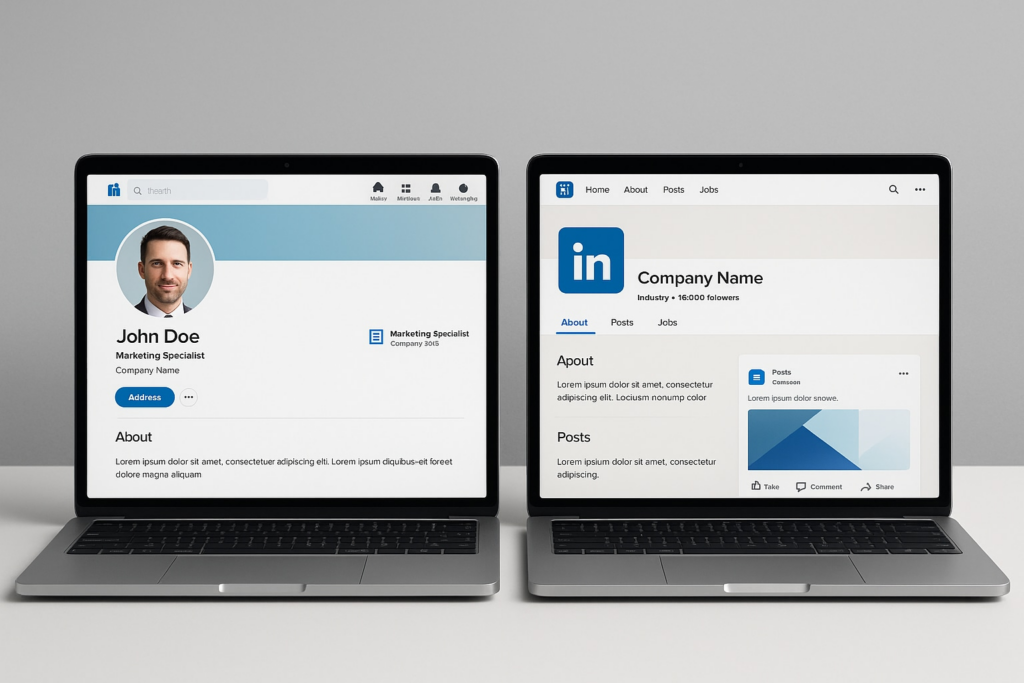
Personal profiles almost always outperform company pages in terms of engagement. Posts from individuals feel more authentic and appear directly in connections’ feeds. LinkedIn’s algorithm tends to favor content from people over brands.
The most effective strategy uses both channels. Post from key individuals’ personal profiles: your CEO, founder, or department head, then share to your company page. Encourage employees to engage with and reshare the post. This employee advocacy approach dramatically extends reach.
For longer announcements, consider LinkedIn Articles. They allow complete formatting, embedded images, and permanent accessibility on your profile.
LinkedIn Press Release Post Examples That Work
Example 1: Funding Announcement
“We just closed our Series A. But here’s what nobody tells you about fundraising: We got 47 rejections before our first yes. For any founder in the trenches, keep going. Grateful to [Investor Name] for believing in our vision. Full details in comments. What’s the best advice you received during fundraising?”
This works because it leads with vulnerability, celebrates without boasting, and ends with a question that invites others to share their experiences.
Example 2: Product Launch
“After 18 months and 200+ customer interviews, it’s here. [Product Name] solves the #1 problem our customers kept mentioning: [specific problem]. Early users are seeing [specific result]. We’re opening access to 100 companies this quarter. Comment ‘INTERESTED’ for early access.”
This works because it shows the work behind the product, focuses on customer problems, and creates urgency with limited availability.
Example 3: Partnership Announcement
“Exciting news: We’re joining forces with [Partner Name]. Why this matters: You’ll now get [specific benefit] without [previous pain point]. Our customers have asked for this integration for years. Today, we’re delivering. Details in comments 👇”
This works because it immediately explains the customer benefit and feels personal rather than corporate.
Example 4: Company Milestone
“Inc. 5000. Three years ago, we were three people in a co-working space. This week, we’re one of America’s fastest-growing companies. But this isn’t about a list; it’s about the 47 team members who made this happen and the customers who took a chance on us. Thank you.”
This works because it tells a growth story and shifts credit to the team and customers.
Best Practices for Timing & Engagement
When you post matters almost as much as what you post, LinkedIn’s algorithm prioritizes content that receives early engagement. Hence, publishing when your audience is active gives your announcement the best chance of gaining momentum.
According to Hootsuite’s analysis of over 1 million posts, the best times to post on LinkedIn are Tuesday through Thursday, between 8 AM and 2 PM, in your audience’s time zone. Tuesday and Wednesday mornings see the highest engagement.
The first hour after posting is critical. LinkedIn initially shows your post to a small percentage of your network. If those early viewers engage, the algorithm pushes your content wider. If engagement is low, your post gets buried.
Post when you can actively monitor and respond to comments for the first 30–60 minutes. Reply thoughtfully to every comment and keep the conversation going. This signals to LinkedIn that your post is generating meaningful discussion.
Why LinkedIn Alone Won’t Maximize Your Announcement’s Reach
LinkedIn is a strong starting point, but relying on it alone—or any single channel—is precisely why traditional press release strategies fail. Decision-makers don’t live exclusively on LinkedIn; they search Google for solutions, watch YouTube videos, listen to podcasts, and read industry news sites. Even with perfect timing, you’re only reaching professionals scrolling LinkedIn at the right moment.
If your announcement lives only on LinkedIn, you’re missing most of the touchpoints where potential customers might discover you. The most effective B2B brands understand that credibility comes from being everywhere your audience looks.
LinkedIn Is Just the Starting Point: AmpiFire’s Multi-Channel Approach to Reaching B2B Buyers
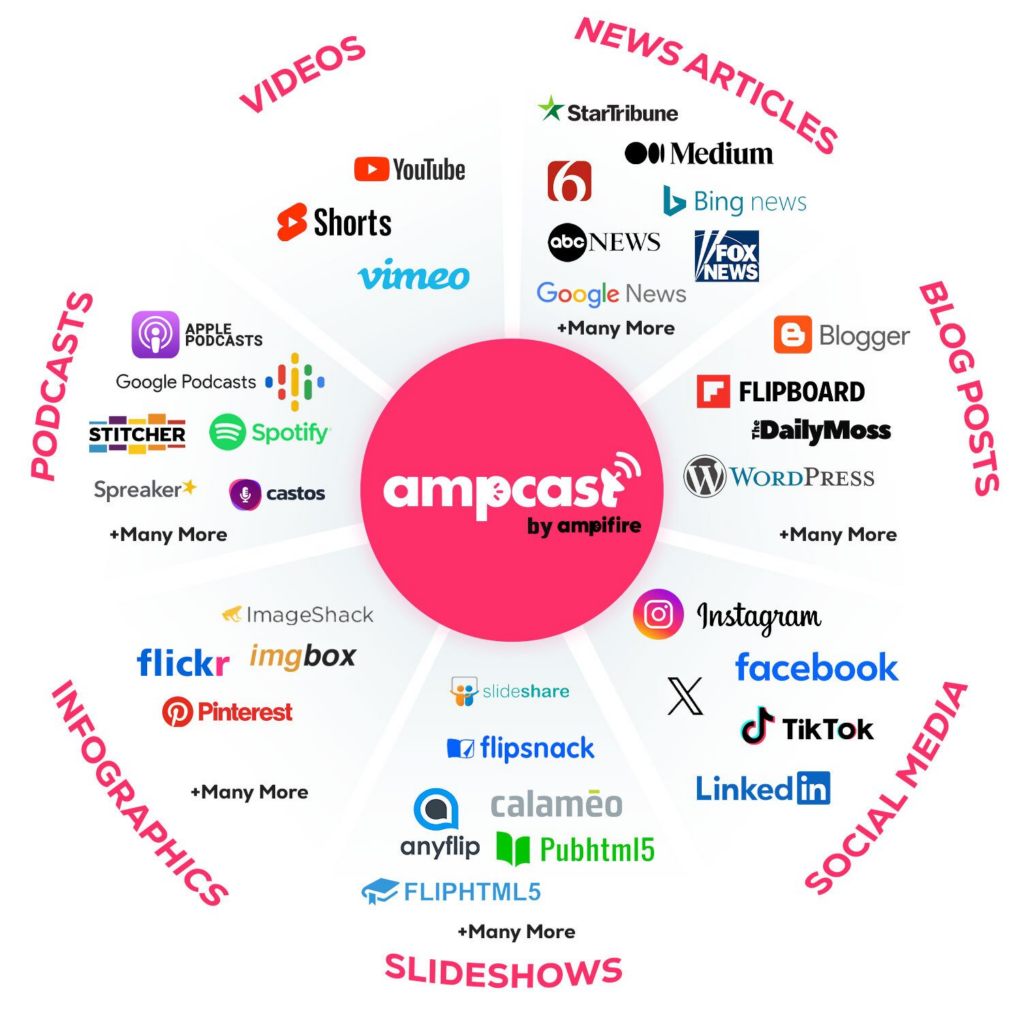
What if your announcement could appear everywhere B2B decision-makers look, not just LinkedIn, but Google News, YouTube, Spotify, and hundreds of other platforms? AmpiFire’s AI-powered AmpCast platform makes this possible by automatically generating high-quality content in multiple formats—something an in-house team would take weeks to produce manually.
AmpiFire’s AmpCast takes a single topic and transforms it into eight different content formats: news articles, blog posts, interview-style podcasts, long-form videos, short-form videos, infographics, slideshows, and social posts.
This content is then automatically published across 300+ high-authority sites (trusted, well-established platforms that search engines and users respect), including Google News, YouTube, Spotify, FOX affiliate sites, and major blog networks.
One AmpiFire customer case study demonstrated the potential of this approach, with campaigns securing multiple page 1 rankings and significant increases in traffic. This case study demonstrates the potential and cost-effectiveness of multi-channel distribution, though individual results will vary based on industry, competition, and campaign execution.
The real power emerges over time. Each campaign builds on previous ones, creating a compounding effect that strengthens your brand presence month after month, unlike LinkedIn posts that disappear from feeds within days.
Ready to Go Beyond LinkedIn? Try the AmpiFire Method →
Frequently Asked Questions (FAQs)
Should I post the full press release on LinkedIn?
No. LinkedIn users expect conversational, value-driven content—not formal press release language. Extract the key message, write it in a relatable tone, and link to the full press release in the comments. Think of your LinkedIn post as a compelling summary that drives interest, not a complete document.
Is it better to post from my personal profile or company page?
Personal profiles typically generate higher engagement because they feel more authentic. The best approach is to post from the profiles of key individuals (CEO, founder, or relevant executives), then share to your company page. Encourage employees to engage with and reshare the post from their own profiles to extend reach.
How often should I post press releases on LinkedIn?
Only when you have genuinely newsworthy announcements, typically a few times per month at most. Posting too frequently with promotional content can cause your audience to tune out. Mix press release posts with other valuable content, such as industry insights, tips, and behind-the-scenes updates.
Should I use hashtags on my LinkedIn press release posts?
Yes, but sparingly. Use 3-5 relevant hashtags that your target audience might follow, such as industry-specific tags or topics related to your announcement. Avoid generic hashtags like #business or #success, which are too broad to yield meaningful reach.
How does AmpiFire’s distribution compare to posting on LinkedIn alone?
Posting on LinkedIn reaches only professionals who are scrolling that platform at the right moment. AmpiFire transforms your announcement into eight content formats and publishes across 300+ platforms, including Google News, YouTube, Spotify, and major news networks.
Whether decision-makers search on Google, watch videos, listen to podcasts, or browse news sites, they find you, creating lasting visibility that a single LinkedIn post cannot achieve.