Key Takeaways
- Businesses are moving away from traditional press releases because they often get buried within 48 hours, generate little traffic, and rely on a single format distributed through one channel.
- Social media announcements allow companies to share news instantly and interact with audiences through comments, shares, and reactions, though posts often have short lifespans and limited organic reach.
- Blog posts and guest articles provide long-term value by ranking in search results and driving ongoing website traffic, though they require consistent writing effort and time to produce results.
- Email marketing and podcast/video content help strengthen audience relationships, email reaches existing subscribers directly, while video and podcasts build trust through more personal and engaging formats.
- Multi-channel platforms like AmpiFire’s AmpCast AI create multiple content formats (news articles, blog posts, interview podcasts, longer informational videos, reels/shorts, infographics, flipbooks/slideshows, and social posts) from one topic and distribute them across 300+ sites, helping businesses reach audiences across search, social, video, and podcast platforms.
Why Businesses Are Dropping Press Releases
Press releases were once the standard way to announce company news. The process was straightforward: write a release, send it to a wire service, and hope a journalist picked it up. But that model has been losing effectiveness for years. Most press releases get buried within 48 hours, generate minimal website traffic, and deliver a poor return on investment.
The fundamental issue is that press releases rely on a single format distributed through a single channel. Your potential customers, however, are spread across Google, YouTube, Instagram, LinkedIn, podcast apps, and dozens of other platforms. A single news wire placement cannot reach all those people. Businesses that want real results are turning to alternatives that put content where their audience already spends time.
Below are five of the most effective options available right now, which are AmpiFire’ AmpCast AI; social media announcements; blog posts and guest articles; email marketing campaigns; and podcast and video content.
Why Press Releases Don’t Work Anymore
Smart Businesses Are Moving Beyond Traditional PR
• The Problem: Press releases reach one audience through one channel, while your customers are everywhere online. Most get buried within days with poor ROI.
• The Solution: AmpiFire’s AmpCast creates 8 content formats (news articles, blog posts, interview podcasts, longer informational videos, reels/shorts, infographics, flipbooks/slideshows, and social posts) from a single topic and distributes them across 300+ high-authority sites, including Fox affiliates, Spotify, and YouTube.
What You’ll Learn on PR Zen:
✓ Why multi-channel content delivers 10x better results than press releases
✓ How to amplify your PR efforts across multiple platforms
✓ Real case studies of businesses dominating search, social, video, and podcasts
✓ Cost-effective alternative to expensive PR agencies
Ready to Replace Press Releases? Learn the AmpiFire Method →
Top 5 Press Release Alternatives
1. AmpiFire: Multi-Channel Content Distribution
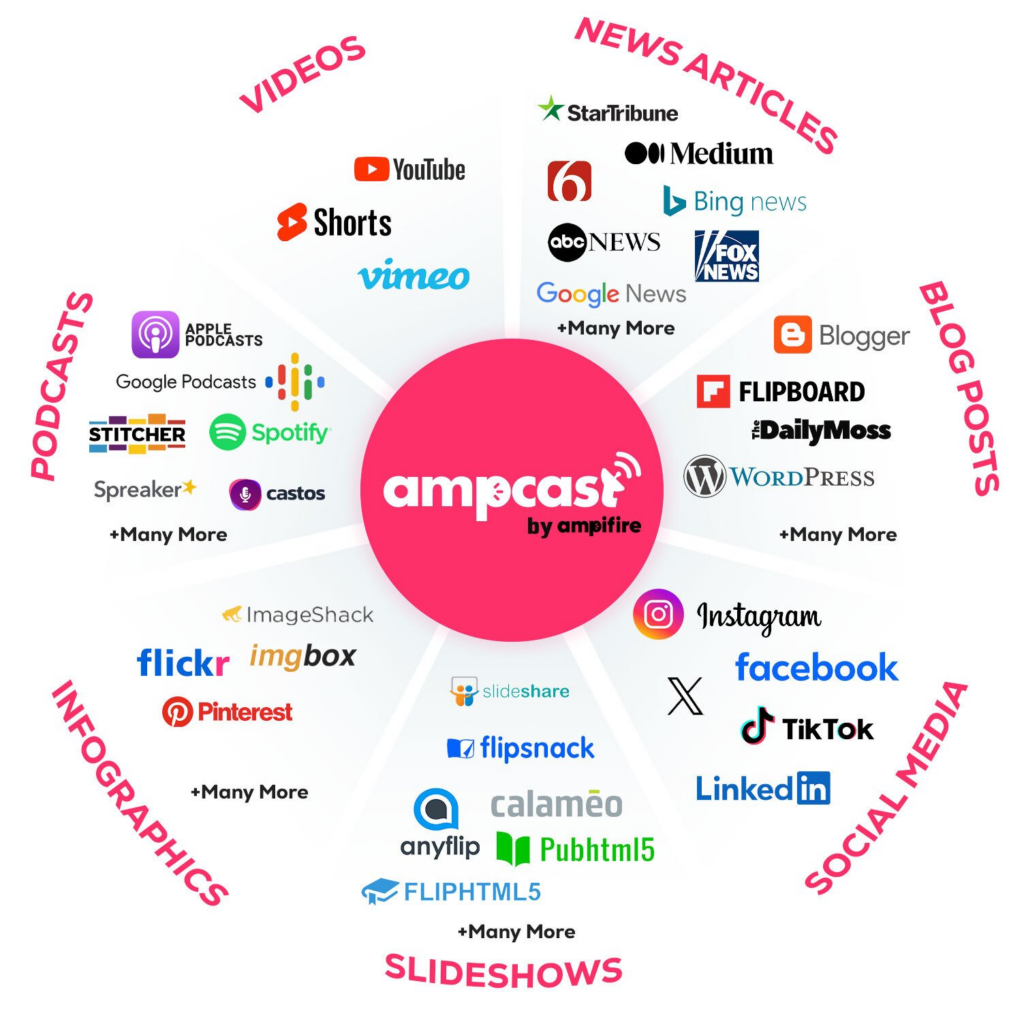
At AmpiFire, the platform was created specifically to address the biggest flaw in traditional press releases: they only work in one format on one channel. AmpiFire’s AmpCast AI technology takes a single topic and automatically produces eight different content formats. These include news articles, blog posts, interview-style podcasts with realistic AI voices, long-form videos, short-form videos for reels and shorts, infographics, slideshows, and social media posts.
Each piece of content is designed to promote a business with a clear call to action built in. AmpiFire then distributes that content across 300+ high-authority sites, including Fox affiliate sites, Spotify, Apple Music, YouTube, and image platforms like Pinterest. Content is also published to the business’s own social profiles on Instagram, X (Twitter), YouTube, and Vimeo.
The outcome is organic traffic from multiple sources, including search engines, social media feeds, video platforms, and podcast directories. In one AmpiFire case study, a Canadian e-commerce store Directbed.ca ran 35 Amp campaigns over 14 months and saw a 417.8% increase in organic traffic, growing from 1,470 monthly visitors to over 7,600. This result is specific to that campaign and should not be taken as a guaranteed outcome for every business.
2. Social Media Announcements
Platforms like LinkedIn, Instagram, X, and Facebook allow you to share business news directly with followers and potential customers. Social posts encourage real-time interaction through comments, shares, and reactions, something press releases cannot provide.
The main advantage is speed and engagement. You can announce a product launch on LinkedIn, post behind-the-scenes footage on Instagram Stories, and host a live Q&A on Facebook within the same afternoon.
The downside is that organic reach on most platforms has been declining steadily for years. Each post also has a short lifespan, often just a few hours before it drops out of feeds. Unless you have a dedicated team managing multiple accounts daily, your reach will remain limited to a single platform at a time.
3. Blog Posts & Guest Articles
A well-written blog post on your own website gives you complete control over the message, format, and keyword optimization. Unlike a press release that fades within days, a strong blog post can rank in search results for months or years, sending consistent traffic back to your site with no additional spend.
Guest articles on established industry blogs or news sites push your message to audiences that already trust those publications. They often come with a link back to your website, which helps build your search presence over time. The drawback is that producing quality blog content on a regular schedule demands significant time and writing skills. Results also build gradually, usually over weeks and months rather than days.
4. Email Marketing Campaigns
Email remains one of the highest-converting channels. Sending company news directly to your subscriber list guarantees it reaches people who have already shown interest in your brand. Open rates for well-segmented email campaigns typically range from 15% to 25%, depending on the industry.
The major limitation is audience size. Email only reaches people who have opted in to your list. It does nothing to attract new prospects or build awareness among people who have never heard of your company. For that reason, email works best as a complement to broader distribution methods rather than a standalone replacement for press releases.
5. Podcast & Video Content
Video and audio content have become major marketing channels. A short YouTube video or TikTok clip can reach thousands of viewers organically, while a podcast episode positions your brand as a knowledgeable voice in your space.
These formats are powerful because they create a personal connection. Hearing a voice or watching someone on screen builds trust more quickly than reading a text-based announcement. The challenge is production quality and consistency. Recording, editing, and publishing video or audio content requires equipment, software, and regular effort. For businesses without a dedicated media team, production bottlenecks can significantly slow output, making it hard to maintain a steady publishing schedule.

Press Release Alternatives: At-a-Glance Comparison Table
| Alternative | Formats Created | Distribution Reach | Best For |
| AmpiFire’s AmpCast AI | 8 formats (articles, videos, podcasts, social, etc.) | 300+ high-authority sites + social profiles | Full multi-channel coverage from one platform |
| Social Media | 1 per platform | Individual social platforms | Quick updates and real-time audience engagement |
| Blog Posts & Guest Articles | 1-2 (written) | Own website + guest publications | Long-term search traffic and authority building |
| Email Marketing | 1 (email) | Subscriber list only | Communicating with existing contacts and leads |
| Podcast & Video | 1-2 (audio/video) | YouTube, Spotify, TikTok, Apple | Building trust and personal connection with audiences |
Why AmpiFire Is the Smarter Alternative to Press Releases
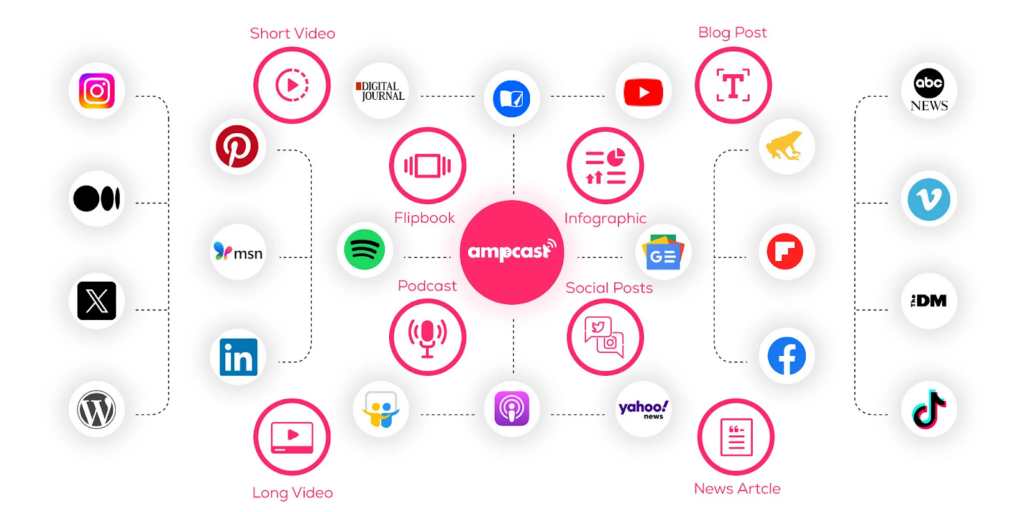
At AmpiFire, the approach is simple: your audience is spread across many platforms, so your content should be too. Instead of relying on one format or channel, AmpCast AI researches what people are searching for, creates eight types of content, and publishes them across 300+ sites automatically.
This multi-channel strategy drives traffic from search, social, video, and podcasts at the same time. It also replaces the need for multiple teams or agencies, saving costs and speeding up execution. Over time, consistent campaigns build a larger content footprint that keeps attracting traffic and engagement.
Ready to Go Multi-Channel? Try the AmpiFire Method →
Frequently Asked Questions (FAQs)
What is the main drawback of traditional press releases?
Press releases reach a single audience through one channel, and most get buried within a few days. They generate minimal long-term traffic compared to multi-channel content strategies that place your message across search, social media, video, and podcast platforms simultaneously.
Can small businesses afford alternatives to press releases?
Yes. Social media posting and blogging cost little to nothing upfront. Services like AmpiFire provide entry-level options that give small businesses access to professional multi-channel distribution without the expense of hiring a full content team or working with multiple agencies.
How long before content marketing shows measurable results?
Most businesses begin seeing meaningful results after two to three months of consistent publishing. Content marketing is a long-term strategy, and the compounding effect of having content across multiple platforms means results tend to accelerate as a campaign runs longer.
Should I use more than one channel at a time?
Using multiple channels together produces stronger results than relying on any single option. The more platforms where your content appears, the more entry points you create for potential customers to find your business through search, social feeds, video recommendations, or podcast directories.
How does AmpiFire compare to using separate marketing tools?
AmpiFire combines content creation and distribution into one platform, producing eight formats per topic and distributing them across 300+ sites. This replaces the need for separate writing, video production, podcast recording, and social media management tools, saving both time and money while covering far more ground.
*Note: Pricing and/or product availability mentioned in this post are subject to change. Please check the retailer’s website for current pricing and stock information before making a purchase.